

Why Understanding Your Hormone Specialist Matters
An endocrinologist is a medical doctor who specializes in diagnosing and treating disorders of the endocrine system—the network of glands that produce and regulate your body’s hormones.
Quick Definition:
- What they are: Physicians specializing in hormone-related conditions
- What they treat: Diabetes, thyroid disorders, metabolic issues, reproductive hormone problems, bone health, and more
- When to see one: Persistent fatigue, unexplained weight changes, sexual health concerns, menstrual irregularities, or difficulty managing chronic conditions
- Training required: Medical school + 3-year residency + 2-3 year fellowship
If you’ve been dealing with symptoms your primary care doctor can’t quite solve—weight that won’t budge, energy that’s disappeared, a libido that’s vanished, or mood swings that feel out of control—you might benefit from seeing a hormone specialist. These doctors act like medical detectives, investigating how over 50 different hormones in your body might be causing your symptoms.
Your endocrine system includes glands like your thyroid, adrenal glands, pancreas, pituitary, and reproductive organs. When even one isn’t working properly, it can affect your metabolism, sleep, mood, sexual function, and overall well-being. That’s where an endocrinologist comes in—they understand how these systems communicate and how to correct imbalances at their root cause.
I’m Dr. Mo Cale, a board-certified physician and Medical Director of Center for Confidence in Florida, where I work closely with endocrinologists and apply endocrinology principles daily to help patients optimize their hormone health, sexual wellness, and overall vitality. Whether you’re dealing with testosterone concerns, thyroid dysfunction, metabolic issues, or other hormone-related challenges, understanding what an endocrinologist does empowers you to take control of your health.
What is Endocrinology and What Do These Specialists Do?
Endocrinology is a fascinating branch of medicine dedicated to the study of hormones and the intricate system that produces them: the endocrine system. Think of your body as a complex symphony, and hormones are the conductors, ensuring every instrument (organ) plays in harmony. These chemical messengers travel through your bloodstream, influencing nearly every cell, organ, and function in your body.
Our bodies contain an incredible array of over 50 different hormones, each with a specific job. They regulate everything from our metabolism—how our body turns food into energy—to our growth, sleep patterns, mood, sexual function, and even our ability to reproduce. When these hormones are out of balance, the body struggles to function optimally, leading to a wide range of symptoms and conditions.
An endocrinologist steps in as a highly specialized detective, diagnosing these hormonal imbalances and creating custom treatment plans to correct them. They ensure that the different systems in your body communicate effectively, helping you feel your best. Their expertise is crucial for managing conditions that stem from problems with glands such as the adrenal, pituitary, thyroid, parathyroid, pancreas, ovaries, and testes.

The Role of an Endocrinologist
At its core, the role of an endocrinologist is to be a medical problem-solver for hormone-related issues. They are the experts in the complex world of the endocrine system, tasked with identifying the root causes of symptoms that often baffle general practitioners. As one expert puts it, it’s their job to “understand the complex role of hormones in the body and recognize when they may be causing a patient’s issue.”
Here’s what an endocrinologist primarily does:
- Diagnosis: They evaluate a patient’s symptoms, medical history, and laboratory results (blood tests, imaging, and sometimes biopsies) to pinpoint specific hormonal imbalances or endocrine gland dysfunctions.
- Treatment Management: Once a diagnosis is made, they develop and manage comprehensive treatment plans, which can involve medication, lifestyle modifications, or other interventions. They often monitor chronic conditions over the long term.
- Collaboration: Because endocrine disorders can affect multiple body systems, endocrinologists frequently collaborate with other medical specialists, ensuring a holistic approach to patient care. This team-based approach is particularly important for conditions that don’t originate in the endocrine system but significantly involve it.
An endocrinologist is a doctor who specializes in hormones. Their deep understanding of this system allows them to provide specialized care that a general practitioner might not be equipped to offer, much like taking your car to a specialized mechanic for an engine problem rather than a general repair shop.
The Endocrine System Explained
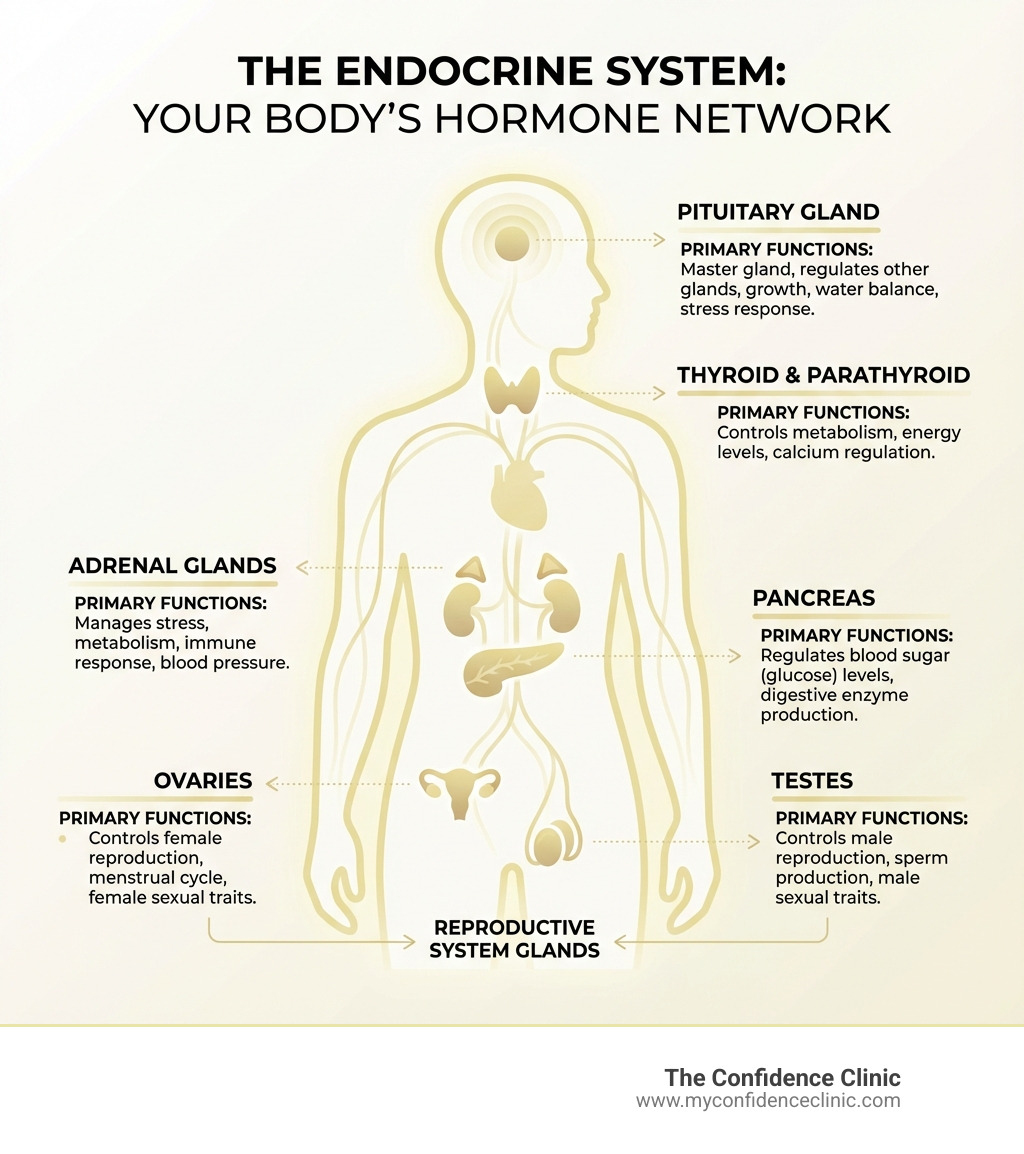
To truly appreciate the work of an endocrinologist, it helps to understand the key players in the endocrine system. These glands are strategically located throughout your body, each producing specific hormones that control vital functions:
- Pituitary Gland: Often called the “master gland,” this small, grape-sized organ at the base of your brain produces hormones that control many other endocrine glands, including the thyroid, adrenals, and reproductive organs. Hormones like Growth Hormone (GH), Thyroid-Stimulating Hormone (TSH), Adrenocorticotropic Hormone (ACTH), Follicle-Stimulating Hormone (FSH), and Luteinizing Hormone (LH) originate here.
- Thyroid Gland: Located in your neck, the thyroid gland produces thyroid hormones that regulate your metabolism, energy levels, and body temperature.
- Adrenal Glands: Sitting atop your kidneys, these glands produce hormones like cortisol, which helps manage stress, blood sugar, and inflammation, as well as adrenaline.
- Pancreas: While also part of the digestive system, the pancreas has an endocrine function, producing insulin and glucagon, which are critical for regulating blood sugar levels.
- Ovaries (in women) and Testes (in men): These reproductive glands produce sex hormones like estrogen, progesterone, and testosterone, which are essential for sexual development, reproduction, and maintaining bone and muscle mass.
- Parathyroid Glands: Four tiny glands located behind the thyroid, they produce parathyroid hormone (PTH), which plays a crucial role in maintaining stable calcium levels in your blood.
Together, these glands and their hormones form a sophisticated communication network that regulates crucial body functions, including:
- Metabolism: How your body uses and stores energy.
- Growth and Development: From childhood through adulthood.
- Sleep-Wake Cycles: Influenced by hormones like melatonin.
- Mood and Energy Levels: Hormonal imbalances can significantly impact mental well-being.
- Sexual Function and Reproduction: Essential for fertility and sexual health.
Common Conditions Treated by an Endocrinologist
The sheer range of conditions an endocrinologist treats highlights the widespread influence of hormones on our health. If a gland isn’t producing enough hormones (hypo-), too many hormones (hyper-), or if there’s a structural problem like a tumor, an endocrinologist is the specialist to consult.

Some of the most common conditions we see and manage include:
- Diabetes Mellitus: Both Type 1 and Type 2 diabetes, as well as gestational diabetes.
- Thyroid Diseases: Conditions like hypothyroidism, hyperthyroidism, thyroid nodules, and thyroid cancer.
- Metabolic Disorders: Including obesity, metabolic syndrome, and lipid disorders.
- Osteoporosis and other Calcium and Bone Conditions: Such as hypercalcemia.
- Cancers of Endocrine Glands: Like thyroid cancer, pituitary tumors, and adrenal gland tumors.
- Infertility: Often linked to hormonal imbalances in both men and women.
- Growth Issues: Such as growth hormone deficiency in children and adults.
- Pituitary and Adrenal Gland Conditions: Including Cushing syndrome, Addison’s disease, and hypopituitarism.
- Sexual Development and Reproduction Issues: Such as hypogonadism and Polycystic Ovary Syndrome (PCOS).
Thyroid and Metabolic Disorders
Our thyroid gland plays an outsized role in our overall well-being, regulating metabolism and energy. When it goes awry, the effects can be pervasive. Endocrinologists are experts in diagnosing and managing:
- Hypothyroidism: An underactive thyroid, leading to fatigue, weight gain, depression, and cold intolerance.
- Hyperthyroidism: An overactive thyroid, causing symptoms like anxiety, rapid heart rate, weight loss, and heat sensitivity.
- Thyroid Nodules and Cancer: These specialists perform and interpret fine-needle aspiration biopsies and manage long-term follow-up for patients with thyroid cancer. Thyroid cancer is relatively common, with approximately 43,000 adults diagnosed in 2022. It’s the 7th most common cancer diagnosed in women, and while serious, it boasts an impressive 98.4% five-year survival rate.
Metabolic disorders, including obesity, are also a significant focus. An endocrinologist can help address the hormonal components contributing to weight gain and metabolic syndrome, offering strategies to improve overall metabolic health. At Center for Confidence, we understand that optimal Thyroid Health in Clearwater is a cornerstone of overall wellness.
Diabetes Management
Diabetes is one of the most prevalent endocrine conditions, affecting millions. Endocrinologists are at the forefront of diabetes care, providing specialized management for:
- Type 1 Diabetes: An autoimmune condition where the body does not produce insulin.
- Type 2 Diabetes: Where the body doesn’t use insulin properly or doesn’t make enough.
- Gestational Diabetes: Diabetes that develops during pregnancy.
Their expertise includes optimizing insulin regimens, managing oral medications, monitoring blood sugar control, and guiding patients on diet and lifestyle to prevent complications. They are crucial partners in helping patients live full, healthy lives with diabetes.
Reproductive and Sexual Health
Hormones are the essence of reproductive and sexual health, and imbalances can lead to deeply personal and often “awkward” challenges. Endocrinologists provide a supportive environment for discussing and treating:
- Polycystic Ovary Syndrome (PCOS): A common hormonal disorder in women that can cause irregular periods, excess hair growth, acne, and infertility.
- Menopause: While a natural transition, the significant hormonal shifts can lead to symptoms like hot flashes, mood changes, and bone density loss that an endocrinologist can help manage, often through hormone replacement therapy.
- Low Testosterone (Low T): In men, this can lead to fatigue, decreased libido, erectile dysfunction, and loss of muscle mass.
- Infertility: For both men and women, hormonal issues are a frequent underlying cause of difficulty conceiving. Reproductive endocrinologists are a specialized subcategory focusing on these complex challenges.
We understand these are sensitive topics, and our goal is always to create a comfortable, non-judgmental space for our patients. Whether it’s enhancing Female Sexual Wellness Clearwater or providing effective Low Testosterone Treatment in Clearwater, we’re here to help you regain your confidence and vitality.
When to See a Specialist and How to Prepare
It’s natural to wonder when your symptoms warrant a visit to an endocrinologist rather than your primary care physician. While your family doctor can manage many common health issues, they often refer patients to specialists when they suspect a hormonal imbalance, when a condition is chronic and complex, or when they need a deeper level of expertise.
When Should You See an Endocrinologist?
Consider seeking a referral to an endocrinologist if you experience:
- Unexplained Weight Changes: Significant weight gain or loss without changes in diet or exercise.
- Persistent Fatigue: Chronic tiredness that isn’t relieved by rest.
- Mood Swings, Anxiety, or Depression: Especially if they seem linked to other physical symptoms.
- Hair Loss or Hair Growth: Unusual hair loss or excessive hair growth in unexpected places.
- Menstrual Irregularities: Irregular, absent, or unusually heavy periods.
- Libido Changes: A noticeable decrease in sex drive.
- Difficulty Managing Diabetes: If your blood sugar levels are consistently hard to control despite treatment.
- Bone Density Concerns: Such as osteoporosis or frequent fractures.
- Fertility Issues: If you’re struggling to conceive.
- Growth or Puberty Issues: In children and adolescents.
If your primary care physician suspects a hormonal imbalance or you’re living with a chronic condition like diabetes or thyroid disease that requires specialized management, they will likely recommend a consultation with an endocrinologist.
How to Prepare for Your Appointment
Preparing for your first appointment can make a significant difference in getting the most out of your visit. We recommend gathering the following information:
- Symptom Journal: Keep a detailed record of your symptoms, including when they started, how often they occur, their severity, and any factors that seem to make them better or worse. Don’t forget to note any major stresses or recent life changes, as these can impact hormone health.
- Family Medical History: Be prepared to discuss your family’s health history, particularly any instances of diabetes, thyroid disorders, or other endocrine conditions.
- List of Current Medications: Bring a comprehensive list of all prescription medications, over-the-counter drugs, vitamins, herbs, and supplements you are currently taking, including dosages.
- List of Questions: Write down any questions or concerns you have for the endocrinologist. This ensures you don’t forget anything important during the appointment.
- Recent Lab Results: If you have copies of any recent blood tests, imaging scans, or other relevant diagnostic reports, bring them along. This can prevent duplicate testing and provide the specialist with crucial context.
What to Expect During Your First Endocrinologist Appointment
When you meet with an endocrinologist in Clearwater or Tampa, you can expect a thorough and detailed evaluation. Here’s a general overview of what typically happens:
- Medical History Review: The endocrinologist will carefully review your complete medical history, including your personal and family history of endocrine conditions.
- Symptom Discussion: You’ll have ample time to discuss your symptoms in detail, using the notes you prepared. This is your opportunity to share everything you’ve been experiencing.
- Physical Examination: A physical exam will be conducted, focusing on areas related to your endocrine system, such as your thyroid gland, skin, hair, and weight.
- Ordering Diagnostic Tests: Based on your symptoms and exam, the endocrinologist will likely order specific blood tests to measure hormone levels (e.g., TSH, thyroid hormones, cortisol, testosterone, estrogen) and may recommend imaging tests (such as an ultrasound of the thyroid) or bone mineral density tests (DEXA scan).
- Developing a Management Plan: Once a diagnosis is made, or further testing is complete, the endocrinologist will discuss your condition, explain treatment options, and work with you to develop a personalized management plan. This may include medication, lifestyle adjustments, or referrals to other specialists if needed.
The goal is to get to the root cause of your symptoms and create an effective path forward for your health.
The Path to Becoming a Hormone Expert
Becoming an endocrinologist is a journey that requires extensive education, rigorous training, and a profound commitment to understanding the body’s most intricate communication system. It’s a testament to their dedication that these specialists are uniquely qualified to tackle complex hormonal challenges.
The average salary of an endocrinologist practicing in the United States in 2022 was $245,000, reflecting the high level of expertise and demand for this specialized field.
Education and Certification
The path to becoming a board-certified endocrinologist is lengthy and demanding:
- Undergraduate Degree: A four-year bachelor’s degree, typically in a science-related field.
- Medical School: Four years of medical school, culminating in a Doctor of Medicine (MD) or Doctor of Osteopathic Medicine (DO) degree.
- Residency Training: A three-year residency program in Internal Medicine. This foundational training provides a broad understanding of adult diseases.
- Endocrinology Fellowship: A specialized two-to-three-year fellowship program specifically focused on endocrinology, diabetes, and metabolism. During this time, future endocrinologists gain in-depth knowledge and hands-on experience in diagnosing and treating endocrine disorders.
- Licensure: After completing medical school and residency, physicians must obtain a license from their state of practice and pass the U.S. Medical Licensing Examination (USMLE).
- Board Certification: While optional, most endocrinologists seek board certification from the American Board of Internal Medicine (ABIM) in Internal Medicine, followed by certification in Endocrinology, Diabetes, and Metabolism. This signifies a high level of competency and expertise in the field.
This comprehensive training ensures that your endocrinologist is equipped with the knowledge and skills to provide the highest standard of care for your hormonal health.
Subspecialties in Endocrinology
The field of endocrinology is broad, and many endocrinologists choose to further specialize in particular areas, allowing for even more focused expertise. Some common subspecialties include:
- Pediatric Endocrinology: Focusing on hormonal issues in children and adolescents, including growth disorders, puberty, and childhood diabetes.
- Reproductive Endocrinology: Often a subspecialty of obstetrics and gynecology, these endocrinologists focus on fertility issues and hormonal disorders affecting reproduction.
- Neuroendocrinology: The study of the interactions between the nervous system and the endocrine system, often dealing with pituitary gland disorders.
- Thyroid Disease: Dedicated to the diagnosis and management of all thyroid conditions, from autoimmune disorders to thyroid cancer.
- Diabetes and Metabolism: Specializing in the complex management of all types of diabetes and metabolic disorders.
- Endocrine Oncology: Focusing on cancers that originate in or affect the endocrine glands, such as thyroid cancer, adrenal cancer, and neuroendocrine tumors.
This level of specialization means that whatever your specific hormonal challenge, there’s likely an endocrinologist with deep expertise in that very area.
Frequently Asked Questions about Endocrinologists
We understand you might have more questions about this vital medical specialty. Here are answers to some common inquiries:
Do I need a referral to see an endocrinologist?
In most cases, yes, you will need a referral from your primary care physician (PCP) to see an endocrinologist. Many insurance plans require a referral for specialist visits to cover the cost. Your PCP can perform an initial assessment and determine if your symptoms warrant a specialist consultation. However, some practices might allow direct appointments, so it’s always best to check with your insurance provider and the endocrinologist‘s office directly.
What is the difference between an endocrinologist and a gynecologist?
While there can be some overlap, an endocrinologist and a gynecologist have distinct primary focuses:
- An endocrinologist specializes in the entire endocrine system, diagnosing and treating conditions related to all hormone-producing glands throughout the body (thyroid, adrenals, pituitary, pancreas, ovaries, testes, etc.).
- A gynecologist specializes specifically in the health of the female reproductive system and breasts.
However, they often collaborate, especially when conditions involve female hormones. For instance, both might treat Polycystic Ovary Syndrome (PCOS) or manage symptoms of menopause. An endocrinologist would focus on the hormonal imbalance aspect, while a gynecologist would address the reproductive health implications.
Can an endocrinologist help with weight loss?
Yes, an endocrinologist can be a crucial partner in your weight loss journey, especially if your weight challenges are linked to underlying hormonal imbalances. They don’t just put you on a diet; they investigate the root causes. This might involve:
- Addressing Thyroid Disorders: An underactive thyroid (hypothyroidism) can significantly slow metabolism and lead to weight gain.
- Managing Metabolic Syndrome: A cluster of conditions including high blood sugar, excess body fat around the waist, and abnormal cholesterol levels, often driven by insulin resistance.
- Investigating Cortisol Imbalances: High cortisol levels (often due to chronic stress or adrenal disorders) can promote belly fat storage.
- Optimizing Sex Hormones: Imbalances in estrogen, testosterone, or progesterone can also influence weight distribution and metabolism.
By identifying and treating these hormonal factors, an endocrinologist can help create a more effective and sustainable weight management plan. This aligns perfectly with our approach to Holistic Wellness in Clearwater, where we look at the whole person, not just the symptoms.
Take Control of Your Hormonal Health
We hope this guide has illuminated the vital role an endocrinologist plays in understanding and managing your body’s intricate hormonal symphony. From diagnosing elusive symptoms to crafting personalized treatment plans for complex conditions like diabetes, thyroid disorders, and reproductive health issues, these specialists are truly your hormones’ best friend.
At Center for Confidence in Clearwater and Tampa, we believe in empowering you to take control of your health. We understand that discussing “awkward” health issues can be daunting, but we’ve cultivated a comfortable, non-judgmental space where you can openly explore your concerns. Our functional medicine approach, deeply rooted in endocrinology principles, focuses on tailoring treatments to the root causes of your symptoms, rather than just masking them.
If you’re in Clearwater, FL, or Tampa, FL, and suspect a hormonal imbalance, or if you’re seeking a more holistic and personalized approach to your endocrine health, we encourage you to consider specialized care. Your journey to optimal health and vitality starts with understanding your body and partnering with the right experts.
Ready to explore how we can help you achieve hormonal balance and overall well-being? Explore Bioidentical Hormone Therapy in Clearwater and find how our patient-centered care can make a difference in your life.


