

Why DHEA Levels Matter for Your Health and Vitality
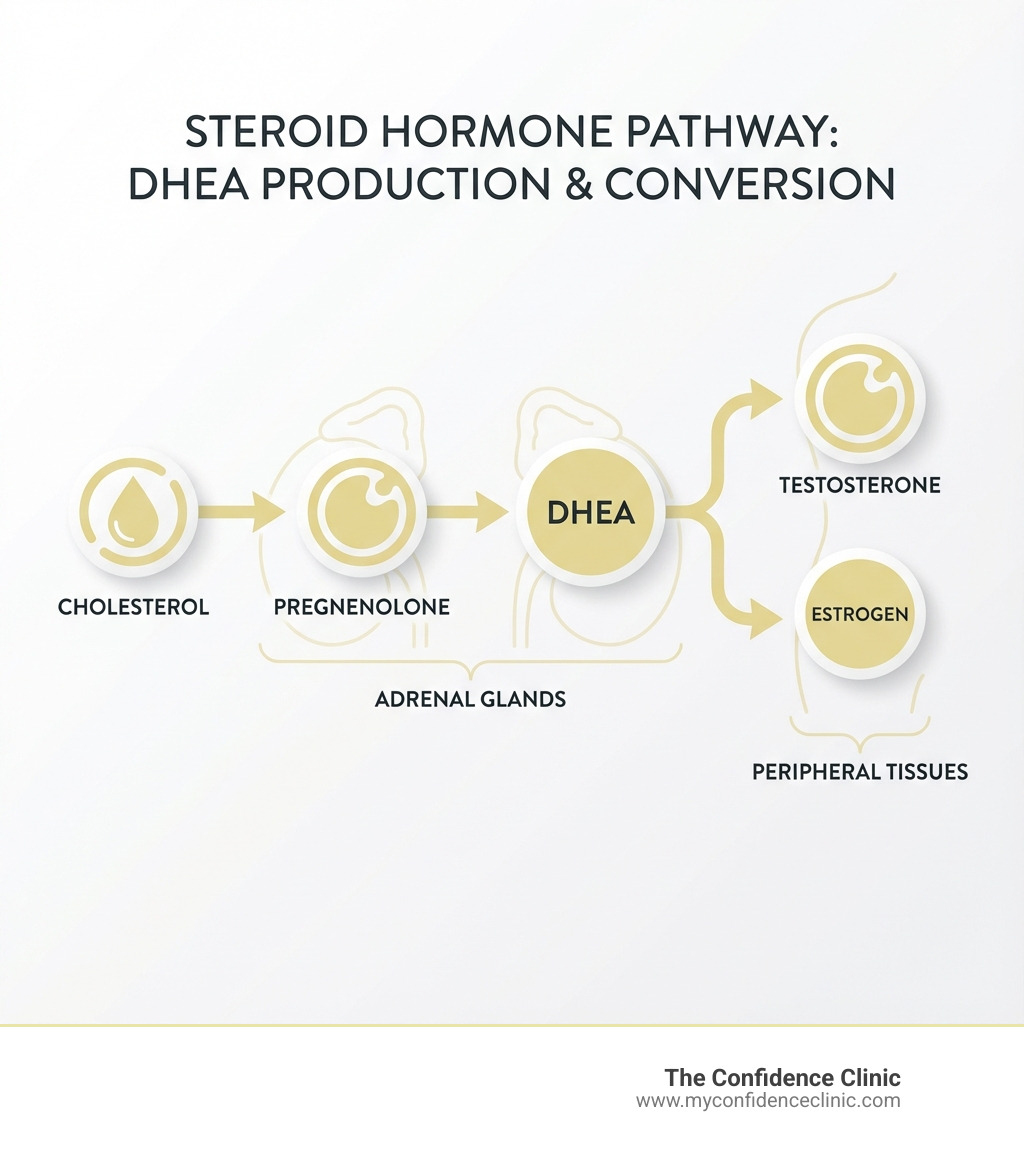
DHEA levels low can affect your energy, mood, sexual health, and overall vitality. DHEA (dehydroepiandrosterone) is a steroid hormone produced primarily by your adrenal glands—the small glands that sit on top of your kidneys. It serves as a precursor to sex hormones like testosterone and estrogen, meaning your body converts DHEA into these essential hormones.
Quick Answer: What You Need to Know About Low DHEA
- What it is: DHEA is a hormone made by your adrenal glands that converts to testosterone and estrogen
- Common symptoms: Fatigue, low libido, weight changes, muscle weakness, mood swings, and decreased bone density
- Main causes: Chronic stress, inflammation, blood sugar imbalances, nutritional deficiencies, hypothyroidism, and certain medications
- Who’s affected: DHEA naturally declines with age, but levels below age-expected norms may signal underlying health issues
- Why it matters: Low DHEA is linked to reduced physical vitality, increased chronic illness, fertility issues, and signs of accelerated aging
DHEA peaks in your 20s and declines progressively with age. By age 80, your DHEA levels may be only 20% of what they were at 25. While this decline is natural, significantly low levels—especially relative to your age and gender—can impact your physical function, immune health, and quality of life.
Research shows that DHEA levels below age-expected norms are associated with more chronic health conditions, persistent pain, and poorer performance on physical function tests. In women, low DHEA can disrupt the menstrual cycle, affect fertility, and contribute to symptoms during perimenopause and menopause. In men, it may manifest as erectile dysfunction and reduced muscle mass.
I’m Dr. Mo Cale, Medical Director of Center for Confidence, where I’ve spent over a decade helping patients address hormone imbalances including DHEA levels low through evidence-based protocols and lifestyle interventions. In this guide, I’ll walk you through the symptoms, root causes, and holistic strategies to naturally support your DHEA production.
What Are the Symptoms and Causes of DHEA Levels Low?
Understanding the impact of DHEA levels low starts with recognizing the signs your body might be sending. DHEA, along with its sulfated form DHEA-S, plays a crucial role in many bodily functions. When these levels drop below optimal, it can lead to a cascade of unwelcome symptoms that affect our daily lives and overall well-being.
Common Symptoms of DHEA Levels Low
The symptoms of low DHEA can be subtle at first, often dismissed as simply “getting older” or “being tired.” However, they can significantly impact your quality of life. We often see patients at Center for Confidence presenting with a range of symptoms, including:
- Fatigue: A persistent lack of energy, even after a full night’s sleep. This isn’t just feeling tired; it’s a deep-seated weariness that can make everyday tasks feel monumental.
- Low Libido and Sexual Dysfunction: DHEA is a precursor to sex hormones, so low levels can lead to a decreased sex drive in all sexes. In men, this may manifest as erectile dysfunction, while in women, it can contribute to vaginal atrophy (thinning and dryness of vaginal tissues) and reduced interest in sex.
- Weight Changes: Difficulty losing weight or unexplained weight loss can both be indicators. Low DHEA can impact metabolism and body composition, making it harder to maintain a healthy weight.
- Muscle Weakness and Decreased Bone Density: DHEA plays a role in muscle strength and bone health. Lower levels are associated with poorer performance on physical functioning tests and reduced bone density, contributing to conditions like osteoporosis.
- Mood Swings, Depression, and Brain Fog: DHEA has neuroprotective effects. When levels are low, some individuals may experience increased irritability, anxiety, depression, or difficulty with mental focus and memory.
- Dizziness and Dehydration: In some cases, particularly if low DHEA is linked to adrenal insufficiency (like Addison’s disease), you might experience dizziness, dehydration, nausea, vomiting, and even salt cravings.
- Dry Skin and Eyes: DHEA contributes to skin hydration and overall tissue health. Low levels can lead to drier, less elastic skin and dry eyes.
- Chronic Pain: Research indicates that DHEA-S and DHEA levels below age-expected norms are associated with more self-reported persistent pain and pain sensitivity.
In women, specifically, low DHEA can also lead to irregular or short menstrual cycles (less than 24 days), a short luteal phase (less than 9 days), and poor production of fertile or estrogenic mucus, all of which can impact fertility.
Root Causes of DHEA Levels Low
At Center for Confidence, we believe in getting to the root cause of health issues. When it comes to DHEA levels low, there’s rarely a single culprit. Instead, it’s often a complex interplay of lifestyle, environmental, and physiological factors.
- Chronic Stress: Our adrenal glands are the primary producers of DHEA, but they also produce cortisol, our main stress hormone. When we experience chronic stress—whether from work, relationships, or even perceived daily pressures—the body prioritizes cortisol production. This can lead to a phenomenon often called “pregnenolone steal,” where the body diverts resources away from DHEA production to make more cortisol. This constant demand on the adrenals can exhaust them, leading to lower DHEA.
- Inflammation: Chronic inflammation in the body, often stemming from gut issues, poor diet, or autoimmune conditions, places a significant burden on our systems. It can disrupt adrenal function and shift the body into a catabolic (breakdown) state, further suppressing DHEA production.
- Nutritional Deficiencies: Our bodies need specific nutrients to produce hormones. Deficiencies in key vitamins and minerals like zinc, magnesium, and vitamin C can hinder DHEA synthesis. An insufficient intake of macronutrients (protein, healthy fats, and carbohydrates) can also signal stress to the body, impacting adrenal function and DHEA levels.
- Blood Sugar Imbalances and Insulin Resistance: Erratic blood sugar, whether from hypoglycemia (low blood sugar) or hyperglycemia (high blood sugar) and insulin resistance, creates stress on the adrenal glands. This constant fluctuation forces the adrenals to work harder, which can eventually lead to reduced DHEA production.
- Hypothyroidism: The thyroid and adrenal glands are closely connected. Hypothyroidism, an underactive thyroid, can lead to reduced DHEA levels because thyroid hormones are essential for supporting optimal adrenal function.
- Hidden Infections: Chronic or undiagnosed infections (bacterial, viral, or fungal) in the gut or elsewhere in the body can act as a persistent stressor, signaling to the body that it needs to prioritize survival mechanisms, thus diverting resources away from DHEA production.
- Medications: Certain medications can suppress adrenal function and lower DHEA levels. These include corticosteroids (like prednisone), oral contraceptives, and opioid painkillers. If you’re on any long-term medication and suspect low DHEA, it’s crucial to discuss this with your healthcare provider.
- Over-exercising and Under-eating: While exercise is beneficial, excessive exercise without adequate recovery and calorie intake can be a significant stressor. This combination puts the body in a state of chronic stress, leading to a reduction in DHEA production.
Understanding these interconnected root causes is the first step toward developing a comprehensive plan to address DHEA levels low. Our approach to functional medicine at Center for Confidence in Clearwater focuses on identifying and resolving these underlying issues for sustainable health improvements. More info about our approach to holistic wellness.
The Link Between Low DHEA, Aging, and Chronic Disease
It’s a common misconception that feeling “old” is an inevitable part of aging. While DHEA levels do naturally decline with age, significantly low levels can accelerate the aging process and contribute to a host of chronic health conditions. At Center for Confidence, we’re dedicated to helping our patients in Clearwater, Tampa, Palm Harbor, St. Petersburg, Safety Harbor, and Dunedin FL maintain their vitality at every stage of life.

Research highlights a strong connection between DHEA levels low and a decline in physical vitality. Lower DHEA-S and DHEA levels, especially when below age-expected norms, are associated with a greater number of chronic illnesses and self-reported persistent pain. They also correlate with poorer performance on tests of physical functioning by middle age, suggesting a more precipitous decline in vigor and physical strength. Conversely, when hormone secretion is sustained in older adults, it conveys a reduced risk for the physical weakness and ailments that precede frailty. This means that maintaining healthy DHEA levels can play a role in promoting healthy aging and preventing age-related decline. Scientific research on DHEA and physical function.
How Low DHEA Impacts Women’s Health
For women, DHEA is particularly vital, serving as an important source of sex steroids. When DHEA levels low in women, it can have profound effects on reproductive health and overall well-being.
- Menstrual Cycle and Fertility Issues: DHEA supports healthy follicular development in the ovaries, which is essential for regular ovulation. Low DHEA can disrupt this process, leading to irregular or short menstrual cycles (less than 24 days) and a short luteal phase (less than 9 days), both of which can impair fertility and increase the risk of miscarriage. It can also lead to poor production of fertile/estrogenic mucus.
- Perimenopause and Menopause: As women approach and enter menopause, estrogen production declines. Since DHEA is a precursor to estrogen, low DHEA can exacerbate menopausal symptoms.
- Vaginal Atrophy: One of the most common and uncomfortable symptoms of declining estrogen (and thus, potentially low DHEA) during menopause is vaginal atrophy. This condition involves the thinning, drying, and inflammation of the vaginal walls, leading to discomfort, pain during intercourse, and increased risk of urinary tract infections. Addressing low DHEA, often alongside other hormone therapies, can help alleviate these symptoms.
At Center for Confidence, we offer comprehensive bioidentical hormone therapy options to help women steer these changes and restore balance. More info about bioidentical hormone therapy.
Associated Health Conditions
Beyond general aging and women’s reproductive health, DHEA levels low have been linked to a range of specific chronic health conditions:
- Hypothyroidism: As mentioned earlier, low thyroid function can directly impact adrenal health and DHEA production. If your thyroid isn’t functioning optimally, your DHEA levels may suffer. We understand the intricate connection between these systems and offer personalized thyroid health solutions. More info about thyroid health.
- Autoimmune Diseases: Conditions like lupus, chronic fatigue syndrome, and Crohn’s disease are often associated with low DHEA-S levels. This could be due to chronic inflammation and the body’s prolonged stress response impacting adrenal function.
- Diabetes and Blood Sugar Imbalances: Lower DHEA-S levels have been linked to an increased risk of developing type 2 diabetes. DHEA plays a role in insulin sensitivity and metabolic health, so a deficiency can contribute to blood sugar dysregulation.
- Osteoporosis: DHEA contributes to bone density, and low levels are associated with an increased risk of osteoporosis, particularly in older adults.
- Dementia and Cognitive Decline: Emerging research suggests a link between low DHEA-S levels and cognitive impairment, including dementia, although more studies are needed to fully understand this relationship.
- Erectile Dysfunction (ED): In men, low DHEA can contribute to sexual dysfunction, including ED, due to its role as a precursor to testosterone.
These associations underscore the importance of assessing DHEA levels as part of a comprehensive health evaluation, especially when dealing with chronic health challenges.
Diagnosing and Understanding Your DHEA Levels
If you suspect your DHEA levels low, getting an accurate diagnosis is the crucial first step. At Center for Confidence, we use precise diagnostic tests and a holistic approach to interpret your results, ensuring a personalized treatment plan for our patients in Clearwater, Tampa, Palm Harbor, St. Petersburg, Safety Harbor, and Dunedin FL.
How DHEA is Measured
The most common and reliable method for measuring DHEA levels is through a blood test.
- DHEA vs. DHEA-S: We often measure DHEA sulfate (DHEA-S) rather than DHEA itself. Why? DHEA can fluctuate throughout the day, while DHEA-S has a longer half-life and more stable circulation levels, making it a more consistent and reliable marker for evaluating adrenal function. DHEA-S is predominantly produced by the adrenal glands, making it an excellent indicator of their activity.
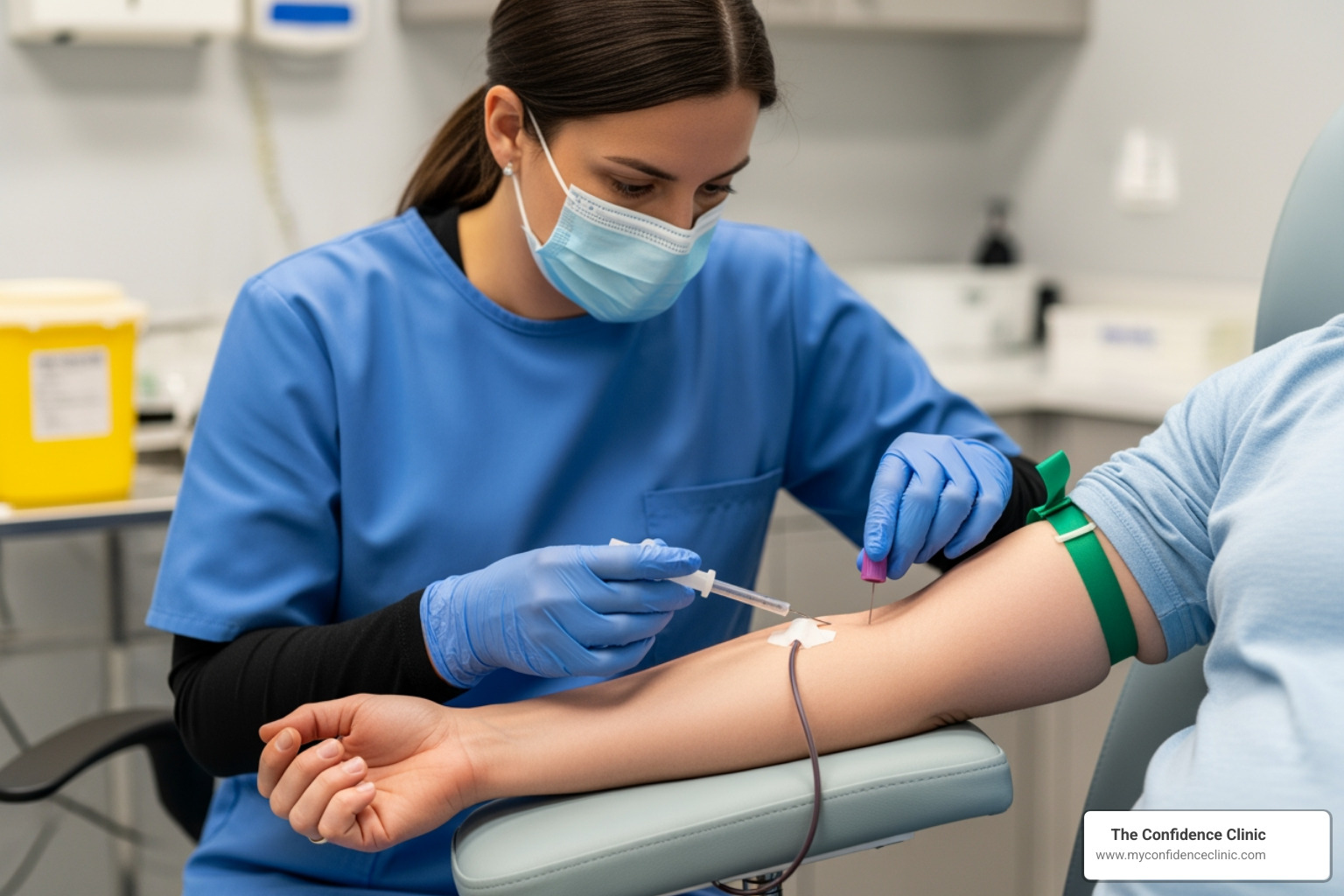
- The Blood Sample: A DHEA-S test involves a simple blood draw from a vein in your arm or hand. The procedure is quick, typically taking less than five minutes.
- Preparation: Generally, you can eat and drink as usual before a DHEA-S test, as levels remain stable throughout the day. However, inform your healthcare provider about all medications, herbs, vitamins, and supplements you are taking, especially DHEA supplements, as they can significantly impact results. Nicotine also causes DHEA-S levels to rise, so we advise against smoking before the test. For women, if menstruation can affect results, the test might be scheduled one week before or after your period.
- Additional Tests: Depending on your symptoms, your healthcare provider might order other hormone tests, such as testosterone, estrogen, androstenedione, or ACTH (adrenocorticotropic hormone), to get a complete picture of your endocrine health. The Cleveland Clinic provides comprehensive information on DHEA-S testing. Information on the DHEAS test.
- Medical History: Beyond lab results, a thorough medical history and discussion of your symptoms are paramount. We consider your age, gender, overall health, and lifestyle factors to interpret your DHEA levels accurately.
Interpreting Your Results: What is an Optimal Range?
Interpreting DHEA-S levels is more nuanced than simply comparing them to a general “normal” range. What’s optimal for one person might not be for another, and levels naturally change over time.
- Age-Related Decline: It’s well-established that DHEA levels peak in young adulthood and then progressively decline with age. For example, DHEA concentration at age 80 is typically about 20% of what it was at age 25. This age-related decline is a natural physiological process.
- Gender Differences: Normal ranges for DHEA-S also vary significantly by gender. For instance, young adult males typically have higher DHEA-S levels than young adult females.
- Lab Reference Ranges: Laboratories use different techniques, and their reference ranges can vary. Your provider will always use the specific lab’s normal value ranges.
- Functional Medicine Ranges: While conventional medicine often focuses on whether your levels fall within a broad “normal” range, functional medicine, as practiced at Center for Confidence, often looks for an optimal range that supports vibrant health. Based on our clinical experience and advanced training, we often consider an optimal range for DHEA-S to be between 150-250μg/dL for many adults, taking into account individual factors.
- Factors Affecting Test Results:
- Medications: As mentioned, corticosteroids, oral contraceptives, and opioid painkillers can lower DHEA.
- Lifestyle Factors: Chronic stress, poor sleep, and even smoking can influence levels.
- Over-exercising: Excessive physical activity without adequate recovery can suppress DHEA.
- Acute Illness: DHEA levels can temporarily decrease during acute illness.
Understanding your DHEA levels requires a personalized assessment. We don’t just look at numbers; we look at you, your symptoms, and your overall health picture to determine if your DHEA levels low are contributing to your health concerns.
Holistic Strategies to Naturally Support DHEA Production
Finding you have DHEA levels low can feel daunting, but the good news is that many lifestyle and dietary interventions can naturally support your body’s DHEA production. At Center for Confidence, we champion a holistic approach, empowering our patients in Clearwater, Tampa, Palm Harbor, St. Petersburg, Safety Harbor, and Dunedin FL to take control of their hormonal health.
Lifestyle and Dietary Interventions
Our bodies are incredibly resilient, and by addressing the root causes of low DHEA, we can often see significant improvements. Here are some key strategies we recommend:
- Stress Reduction Techniques: Since chronic stress is a major culprit in depleting DHEA, managing it is paramount. Incorporate practices like meditation, deep breathing exercises, yoga, spending time in nature, or engaging in hobbies you enjoy. These activities help shift your body out of “fight or flight” mode, allowing your adrenal glands to recover and prioritize DHEA production.
- Prioritize Quality Sleep: Sleep is when your body repairs and regenerates. Aim for 7-9 hours of uninterrupted sleep per night. Establish a consistent sleep schedule, create a dark and cool sleep environment, and limit screen time before bed.
- Accept a Balanced, Nutrient-Dense Diet:
- Healthy Fats: Cholesterol is the building block for all steroid hormones, including DHEA. Incorporate healthy fats like avocados, nuts, seeds, olive oil, and fatty fish into your diet.
- Adequate Protein Intake: Ensure you’re getting enough protein (e.g., lean meats, poultry, fish, eggs, legumes, plant-based proteins) to support overall hormone synthesis and blood sugar stability.
- Complex Carbohydrates: Don’t fear carbs! Complex carbohydrates from whole grains, fruits, and vegetables provide sustained energy and prevent blood sugar crashes that stress the adrenals.
- Nutrient-Rich Foods: Focus on foods rich in zinc (oysters, beef, pumpkin seeds), magnesium (leafy greens, nuts, dark chocolate), and Vitamin C (citrus fruits, bell peppers, broccoli), all vital for DHEA production.
- Regulate Blood Sugar: Minimize refined sugars and processed foods. Opt for balanced meals that combine protein, healthy fats, and fiber to keep blood sugar stable throughout the day. This reduces the burden on your adrenal glands.
- Moderate, Consistent Exercise (Avoid Overtraining): Regular physical activity is beneficial for hormone health. However, as we discussed, over-exercising, especially high-intensity training without adequate recovery, can stress the adrenals and lower DHEA. Focus on a mix of strength training, moderate cardio, and flexibility exercises. Listen to your body and prioritize rest days.
By implementing these holistic strategies, you’re not just targeting DHEA; you’re supporting your entire endocrine system and overall well-being.
A Word of Caution on DHEA Supplements
Given the buzz around DHEA, it’s no surprise that over-the-counter DHEA supplements are widely available. However, we urge extreme caution when considering them.
- Potential Side Effects: DHEA supplements can cause serious side effects, including acne, oily skin, hair loss, stomach upset, high blood pressure, and changes in menstrual cycles in women. In men, it can lead to breast enlargement and testicular shrinkage.
- Androgenic Effects: Because DHEA can convert to testosterone and estrogen, taking supplements can lead to an excess of these hormones, causing unwanted androgenic effects (e.g., male pattern hair growth in women, aggression).
- Lack of Regulation: In the US, DHEA supplements are not regulated by the FDA for purity, strength, or efficacy. This means what’s on the label might not match what’s in the bottle, and the quality can be highly unreliable.
- WADA Prohibition: The World Anti-Doping Agency (WADA) prohibits the use of DHEA supplements among competitive and collegiate athletes due to its potential to improve athletic performance.
- Importance of Professional Guidance: There’s no reliable evidence that over-the-counter DHEA supplements slow the aging process or significantly improve physical performance in healthy individuals. If your DHEA levels low and a healthcare provider determines supplementation is appropriate for a specific medical condition (such as adrenal insufficiency), they will prescribe a pharmaceutical-grade DHEA and monitor your levels closely. Never self-prescribe DHEA supplements. Always consult with a qualified healthcare provider before taking any supplement to ensure it’s safe and appropriate for your individual health needs. For men concerned about related hormonal issues, we also offer specialized support. More info about low testosterone treatment.
Conclusion: Taking the Next Step Towards Hormonal Balance
We’ve explored DHEA, from its vital functions as a precursor hormone to the wide array of symptoms that can arise when DHEA levels low. We’ve digd into the complex root causes, from chronic stress and inflammation to nutritional deficiencies and blood sugar imbalances. We’ve also highlighted the significant links between low DHEA, the aging process, and various chronic health conditions, emphasizing its particular importance for women’s health and vitality.
The journey to optimal health is deeply personal, and at Center for Confidence, we believe in a personalized, root-cause resolution approach. We don’t just treat symptoms; we work with you to uncover the underlying imbalances that are impacting your DHEA levels and overall well-being. Our team of experts in Clearwater, Tampa, Palm Harbor, St. Petersburg, Safety Harbor, and Dunedin FL is dedicated to providing you with a comfortable, non-judgmental space to discuss even the most “awkward” health issues.
If you’re experiencing symptoms that resonate with low DHEA, or if you simply want to gain a deeper understanding of your hormonal health, we encourage you to take the next step. Let us help you create a holistic health plan that supports your body’s natural ability to thrive.
Ready to open up your full potential and restore your confidence? Request an appointment at our wellness clinic in Clearwater today.


