

Understanding Female Low Libido: You’re Not Alone
Female low libido, or a decreased interest in sexual activity, is the most common sexual health problem for women across all age groups. If you’re experiencing this, know that you’re not alone—at least 26.7% of premenopausal women and 52.4% of menopausal women report low desire that causes them distress.
Quick Overview: What You Need to Know
- What it is: A reduction in sexual desire that’s lower than what feels normal for you
- How common: Affects 10-50% of women depending on age and life stage
- Key causes: Hormonal changes, stress, relationship issues, medications, chronic illness
- When to seek help: When low desire lasts more than 6 months and causes personal distress
- Treatment options: Hormone therapy, counseling, lifestyle changes, and personalized medical interventions
It’s completely normal for sexual desire to fluctuate throughout your life—during pregnancy, after childbirth, through menopause, or during stressful periods. However, when low libido persists and affects your confidence, happiness, or relationships, it’s worth addressing.
Your sexual satisfaction is an important part of your overall health and well-being. Many women feel uncomfortable discussing these concerns, but understanding the causes and available solutions is the first step toward reclaiming your vitality.
I’m Dr. Mo Cale, a board-certified physician specializing in hormone optimization and sexual wellness at Center for Confidence in Florida. Through my work with patients experiencing female low libido, I’ve seen how personalized, holistic treatment can restore confidence and improve quality of life. This guide will walk you through the causes, symptoms, and evidence-based treatment options available to you.
Female low libido helpful reading:
Understanding the Complex Causes of Low Libido
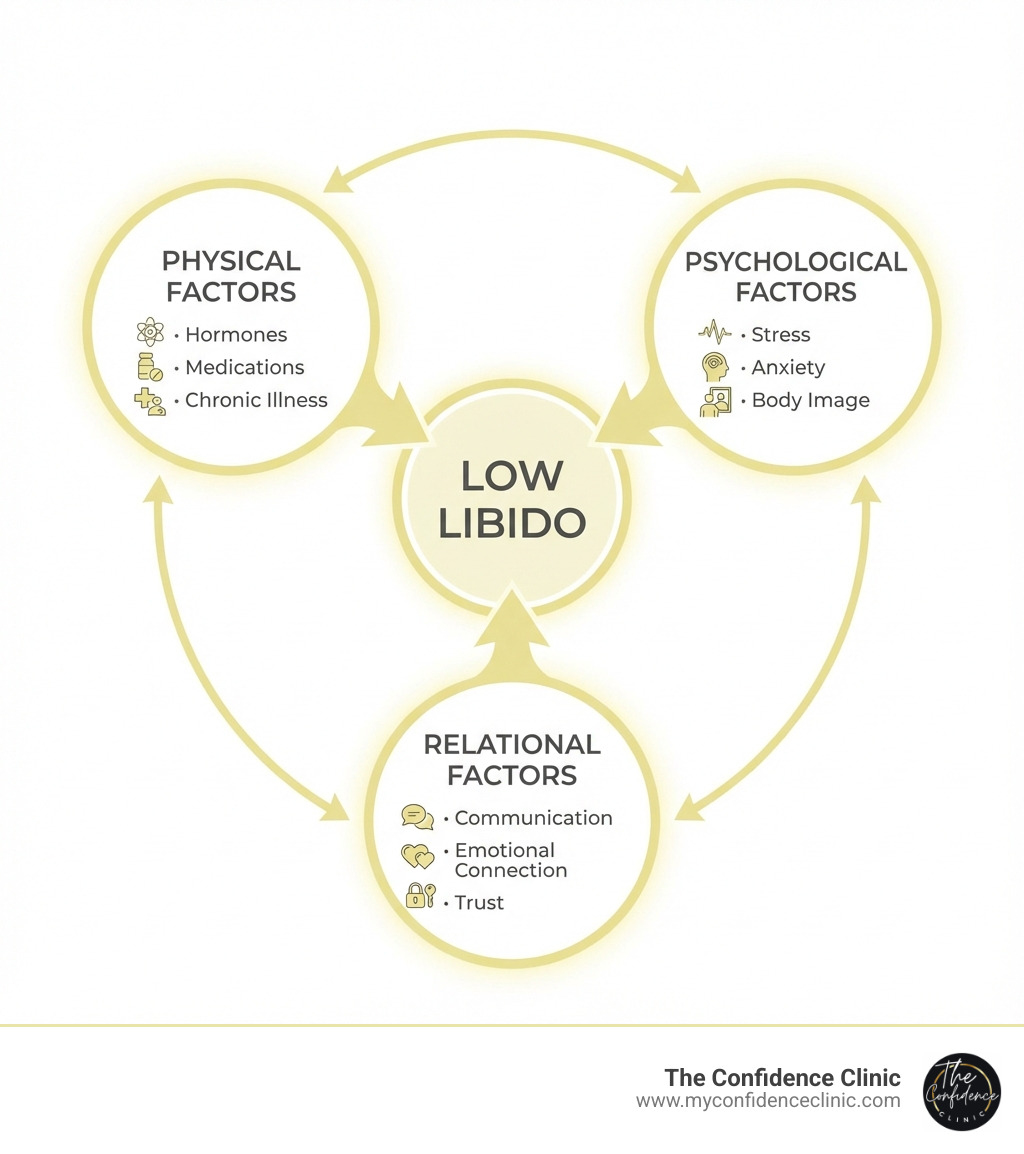
This section explores the multifaceted reasons behind a decreased sex drive, acknowledging that it’s rarely due to a single factor.
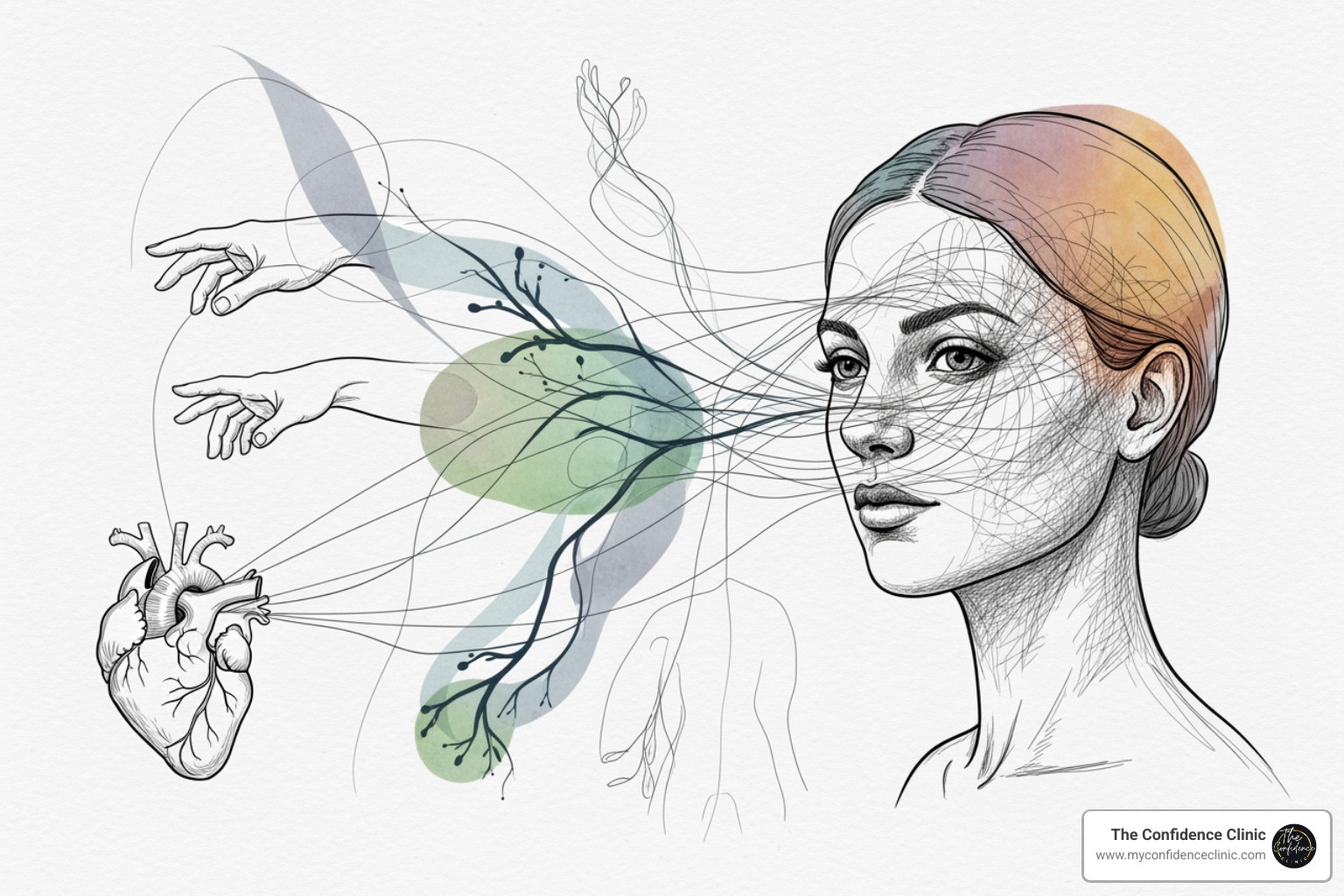
When we talk about female low libido, it’s crucial to understand that it’s not a one-size-fits-all issue. Our sexual desire is a delicate interplay of physical health, emotional well-being, and relational dynamics. It’s like a complex symphony, and if one instrument is out of tune, the whole performance can be affected. At Center for Confidence, we believe in looking at the whole picture to identify the root causes of your diminished sexual desire. This holistic approach allows us to tailor effective treatment plans for women in Clearwater, Tampa, and surrounding areas.
How Hormonal Changes Affect Libido
Hormones are powerful chemical messengers that significantly influence our sexual desire. Fluctuations in these levels can have a profound impact on female low libido.
- Menopause and Perimenopause: This is a major turning point for many women. As we transition through perimenopause and into menopause, estrogen levels decline significantly. This drop can lead to vaginal dryness, painful sex, and reduced sensation, all of which naturally dampen desire. Moreover, the decline in testosterone, though present in much lower levels in women than men, also plays a critical role in sexual arousal and fantasy. Statistics show that 52.4% of menopausal women experience low desire and Hypoactive Sexual Desire Disorder (HSDD), highlighting the pervasive impact of these hormonal shifts.
- Pregnancy and Breastfeeding: The journey of motherhood brings its own set of hormonal rollercoasters. High levels of progesterone during pregnancy can decrease libido, while the demands of childbirth and subsequent breastfeeding can lead to extreme fatigue and liftd prolactin levels, further suppressing sexual interest.
- Contraceptives: Certain hormonal birth control methods, particularly those containing higher doses of estrogen or specific progestins, can sometimes lower testosterone levels, leading to a decrease in libido for some women.
Understanding how these hormonal shifts influence your body is vital. We offer advanced solutions like hormone therapy to help rebalance your system. You can learn more about the benefits of addressing hormonal imbalances on our site: More info about Hormone Therapy Benefits.
Physical and Medical Contributors
Beyond hormones, various physical and medical conditions can directly contribute to female low libido.
- Painful Sex (Dyspareunia): If sex hurts, it’s naturally going to reduce your desire for it. This pain can stem from issues like vaginal dryness, endometriosis, pelvic inflammatory disease, or even certain infections.
- Vaginal Dryness and Atrophy: Often linked to declining estrogen, especially during menopause, vaginal dryness can make intercourse uncomfortable or even impossible. This leads to a vicious cycle where discomfort reduces desire, and reduced desire means less lubrication, perpetuating the problem.
- Chronic Illnesses: Conditions such as diabetes, heart disease, high blood pressure, and neurological disorders can affect blood flow, nerve function, and overall energy levels, all of which are critical for sexual health.
- Fatigue: Constant exhaustion, whether from chronic illness, sleep deprivation, or the demands of daily life (like caring for young children or aging parents), leaves little energy for sexual activity.
- Medication Side Effects: Many common medications list decreased libido as a side effect. Antidepressants, particularly Selective Serotonin Reuptake Inhibitors (SSRIs), are frequent culprits. Blood pressure medications, antihistamines, and even certain oral contraceptives can also play a role. If you suspect your medication is affecting your sex drive, it’s important to discuss this with your healthcare provider.
- Surgeries: Procedures involving the breasts or genital tract can impact body image, sensation, or cause pain, leading to a decrease in sexual desire.
The Role of Psychological and Emotional Factors
Our minds are incredibly powerful, and our emotional state profoundly influences our libido. Psychological and emotional factors are often overlooked but are significant contributors to female low libido.
- Stress and Anxiety: Chronic stress can wreak havoc on our bodies, elevating cortisol levels and disrupting the delicate balance of hormones essential for sexual desire. High anxiety, whether performance-related or general life stress, makes it difficult to relax and engage in intimacy.
- Depression: Depression is a known libido killer. The very nature of the condition—low mood, lack of energy, loss of interest in pleasurable activities—directly impacts sexual desire.
- Poor Body Image and Low Self-Esteem: Feeling uncomfortable in our own skin or having a negative perception of our bodies can make us feel self-conscious and unwilling to engage in intimate moments.
- History of Trauma or Negative Sexual Experiences: Past experiences, including physical, emotional, or sexual abuse, can create deep-seated associations between sex and fear, pain, or powerlessness, leading to a profound aversion to sexual activity. Post-traumatic stress disorder (PTSD) can also severely impact libido.
- Mental Health: Beyond depression and anxiety, other mental health conditions can influence sexual desire. It’s essential to address any underlying mental health concerns as part of a comprehensive treatment plan for low libido.
Relationship Issues and Their Impact
Our relationships are the crucible of intimacy, and problems within them can significantly dampen sexual desire. Sexual health doesn’t exist in a vacuum; it thrives on connection and communication.
- Lack of Emotional Connection: For many women, emotional intimacy is a prerequisite for sexual desire. If there’s a disconnect or a feeling of distance from a partner, sexual interest often wanes.
- Unresolved Conflicts and Poor Communication: Lingering arguments, resentments, or a failure to communicate needs and desires can build walls between partners, making sexual intimacy feel impossible or undesirable.
- Trust Issues: A breach of trust, whether through infidelity or other forms of betrayal, can shatter the foundation of a relationship and extinguish sexual desire.
- Partner’s Sexual Health: A partner’s own sexual dysfunction (e.g., erectile dysfunction, premature ejaculation, or even their low libido) can create frustration, anxiety, and a feeling of inadequacy, indirectly affecting a woman’s desire.
- Lack of Privacy: In busy households, especially with children or extended family, finding private time and space for intimacy can be a challenge, leading to a decrease in sexual encounters and, over time, desire.
Recognizing Symptoms and Seeking a Diagnosis
Knowing the signs of clinically significant low libido and understanding the diagnostic process is the first step toward finding a solution.
It’s common to have occasional dips in sexual interest, but when these periods become persistent and distressing, it’s time to pay attention. Recognizing the symptoms of female low libido and understanding how it’s diagnosed are crucial steps towards finding effective solutions.
What are the Symptoms of Female Low Libido?
The symptoms of female low libido can manifest in various ways, often causing significant personal distress. If you find yourself identifying with several of these, it might be an indication that it’s time to seek support:
- No interest in sexual activity: This includes a general disinterest in any type of sex, whether with a partner or masturbation.
- Lack of sexual thoughts or fantasies: You rarely or never have sexual fantasies or spontaneous sexual thoughts.
- Distress over low desire: This is a key indicator. It’s not just that your libido is low, but that this lack of desire causes you sadness, frustration, anxiety, or a sense of loss. You might feel you’re not “as sexy as you want to be.”
- Avoiding intimacy: You might find yourself actively avoiding situations that could lead to sexual activity with your partner.
- Reduced pleasure from sex: Even when you do engage, you might experience less pleasure, arousal, or fewer physical sensations during sexual encounters.
Everyone’s “normal” is different. The key is whether your current level of desire is significantly lower than what is typical for you and if it’s causing you distress.
How Low Libido is Diagnosed
Diagnosing female low libido or Hypoactive Sexual Desire Disorder (HSDD) involves a comprehensive approach, as there’s no single test to pinpoint the problem. Our team at Center for Confidence is dedicated to creating a comfortable and non-judgmental space for these conversations.
- Doctor Consultation and Medical History Review: We begin with an open and honest conversation about your overall health, lifestyle, and any past or current medical conditions. We’ll discuss your symptoms, how long they’ve been present, and how they impact your life and relationships.
- Sexual History Discussion: This involves delving into your sexual experiences, preferences, and any changes you’ve noticed. We might explore factors like pain during sex, difficulty with arousal or orgasm, and your emotional connection with your partner.
- Pelvic Exam: A physical examination can help rule out any underlying physical issues, such as vaginal dryness, infections, or other gynecological conditions that might contribute to low libido or painful sex.
- Blood Tests: We may recommend blood tests to check various hormone levels (like estrogen, testosterone, thyroid hormones) and to rule out other medical conditions such as diabetes or high cholesterol, which can impact sexual function.
- Ruling Out Other Conditions: It’s essential to ensure that your low libido isn’t a side effect of other medications you’re taking or a symptom of an undiagnosed medical or psychological condition. We’ll review your current prescriptions and discuss any mental health concerns.
When to See a Doctor
We encourage you not to wait until female low libido becomes an unbearable problem. If you relate to any of the following, it’s a good time to consult with a healthcare professional:
- Concerns causing personal distress: If your low desire is making you feel sad, frustrated, anxious, or impacting your self-esteem.
- Lasting for more than 6 months: If your lack of interest in sex has continued persistently for half a year or longer.
- Negatively affecting your relationship: If your low libido is causing conflict, resentment, or a sense of distance between you and your partner.
- Seeking professional advice: Even if you’re just curious about potential causes or preventative measures, a conversation with a specialist can be incredibly insightful.
Your sexual health is an integral part of your overall well-being, and you deserve to feel confident and satisfied. We’re here to help you steer these sensitive conversations. For more information or to schedule an initial consultation, please visit our request appointment page.
Exploring Treatment Options for Female Low Libido
A variety of treatments are available, from medical interventions to therapy, custom to address the specific underlying causes of your sex drive.

Once we’ve identified the potential causes of your female low libido, we can explore a range of treatment options. At Center for Confidence, we pride ourselves on offering personalized care, understanding that what works for one woman might not work for another. Our goal is to empower you with choices and guide you toward a solution that aligns with your unique needs and health goals. We offer comprehensive services for female sexual wellness in Clearwater and surrounding areas.
Understanding HSDD and Medical Treatments
Hypoactive Sexual Desire Disorder (HSDD) is a specific clinical diagnosis characterized by a persistent or recurrent deficiency or absence of sexual fantasies and desire for sexual activity, which causes significant personal distress. It’s not just low libido; it’s low libido that genuinely bothers you. HSDD affects about 10% of women across all age groups, making it a common, yet often undiscussed, issue.
For women experiencing HSDD, medical interventions can be highly effective:
- Flibanserin (Addyi): This non-hormonal medication is FDA-approved for generalized HSDD in premenopausal women. Taken daily, it works on brain neurotransmitters to increase sexual desire and the frequency of satisfying sexual events. However, it requires careful use, as the FDA advises against alcohol consumption within two hours of taking it. You can find more information about this medication directly from the official Addyi website.
- Bremelanotide (Vyleesi): Also FDA-approved for premenopausal women with HSDD, Vyleesi is an on-demand injection administered before sexual activity. It works by activating melanocortin receptors in the brain, directly influencing sexual desire. Most women notice effects within two to four hours.
- Bupropion: While primarily an antidepressant, bupropion has shown promise in improving desire in some women, particularly those whose low libido is linked to depression or is a side effect of other SSRI antidepressants. It’s often used off-label for this purpose.
- Buspirone: This anti-anxiety medication can also be used off-label to improve sexual interest, especially when HSDD is associated with anxiety or as an adjunct to SSRI treatment.
It’s important to remember that these medications are part of a broader treatment plan. A consultation with a qualified provider at Center for Confidence will help determine if these options are suitable for you, considering your full health profile and any potential interactions.
Hormone Replacement Therapy (HRT)
Hormone Replacement Therapy (HRT) can be a game-changer for many women, especially those experiencing hormonal shifts.
- Estrogen Therapy: For women in perimenopause or menopause, estrogen therapy can alleviate symptoms like vaginal dryness and painful sex (Genitourinary Syndrome of Menopause or GSM), which in turn can significantly improve sexual comfort and desire. Estrogen can be administered systemically (pills, patches, creams, gels) or locally (vaginal creams, rings, tablets). Small, localized doses of vaginal estrogen are generally considered safe and effective.
- Testosterone Therapy: Although not FDA-approved for female low libido in the U.S., testosterone is sometimes prescribed off-label for postmenopausal women with persistent low desire. Even at lower doses than men, testosterone plays a role in female sexual function, including desire, arousal, and orgasm. Potential side effects can include acne and unwanted hair growth, so careful monitoring is essential.
- Prasterone (Intrarosa): This vaginal insert delivers DHEA (a precursor to estrogen and testosterone) directly to the vagina, helping to reduce pain during sex for postmenopausal women with GSM.
- Ospemifene (Osphena): An oral medication, ospemifene is used to ease painful sex symptoms for women with GSM, acting on vaginal tissue to make it thicker and less fragile.
At Center for Confidence, we specialize in providing personalized Bioidentical Hormone Therapy in Clearwater. This approach uses hormones structurally identical to those naturally produced by your body, aiming for optimal balance. You can explore more about our services here: More info about Bioidentical Hormone Therapy in Clearwater. We also stay informed on the latest developments in women’s HRT, including the recent FDA removal of the blackbox warning for certain hormone products.
The Value of Counseling and Sex Therapy
Sometimes, the most effective treatment for female low libido isn’t a pill, but a conversation. Counseling and sex therapy offer invaluable tools for addressing the psychological, emotional, and relational components of low desire.
- Individual Counseling: A therapist can help you explore underlying issues such as stress, anxiety, depression, past trauma, or body image concerns that might be contributing to your low libido. Techniques like Cognitive Behavioral Therapy (CBT) can help reframe negative thoughts and behaviors around sex.
- Couples Therapy: If relationship issues are at play, couples therapy can provide a safe space to improve communication, resolve conflicts, and rebuild emotional intimacy. Addressing these foundational issues often naturally reignites sexual desire.
- Sex Therapist: A specialist in sex therapy can guide you and your partner through exercises and discussions specifically designed to improve sexual communication, explore new ways of intimacy, and overcome sexual difficulties. They can help address performance anxiety, anorgasmia, or pain during sex.
Lifestyle Changes and Holistic Approaches
Empowering yourself with lifestyle adjustments and a holistic mindset can significantly improve sexual desire and overall well-being.
At Center for Confidence, we advocate for a holistic approach to health, understanding that our physical, mental, and emotional states are deeply intertwined. For female low libido, lifestyle changes aren’t just supplementary; they are often foundational to regaining desire and overall vitality. We believe in understanding root cause medicine for lasting health, and this extends profoundly to sexual wellness.
The Power of Diet, Exercise, and Sleep
These three pillars of health are surprisingly potent allies in the fight against female low libido.
- Regular Exercise: Physical activity boosts mood, reduces stress, improves body image, and improves blood flow throughout the body, including to the genital area. It also increases energy levels. We recommend incorporating both aerobic exercise and strength training into your routine.
- Stress-Reducing Activities: Chronic stress is a libido killer. Engaging in practices like meditation, yoga, mindfulness, deep breathing exercises, or even just spending time in nature can significantly lower cortisol levels and create a more relaxed state conducive to desire. Journaling can also be a powerful tool for processing emotions and reducing mental clutter.
- Balanced Nutrition: A diet rich in whole foods, fruits, vegetables, lean proteins, and healthy fats supports overall hormonal balance and energy. Avoiding excessive processed foods, sugar, and unhealthy fats can make a noticeable difference.
- Prioritizing Sleep: Sleep deprivation leads to fatigue, irritability, and hormonal imbalances, all of which suppress libido. Aim for 7-9 hours of quality sleep per night to allow your body and mind to recharge.
- Limiting Alcohol and Avoiding Harmful Habits: While a glass of wine might seem to set the mood, excessive alcohol consumption can actually dampen sexual response. Smoking and illegal drug use are detrimental to overall health, including sexual function, by impairing blood flow and hormonal balance.
Nurturing Intimacy and Communication
Sexual desire often flourishes in an environment of emotional connection and open communication. These relational aspects are critical for many women.
- Scheduling Intimacy: It might sound unromantic, but in busy lives, scheduling time for intimacy can ensure it doesn’t get pushed aside. This doesn’t necessarily mean scheduled sex; it could be a dedicated “date night,” a sensual massage, or simply uninterrupted time to connect.
- Open Dialogue with Partner: Honest communication about your desires, fears, and needs is paramount. Talk about what feels good, what doesn’t, and any changes you’re experiencing. This fosters understanding and reduces pressure.
- Exploring Sensuality: Sex isn’t just about intercourse. Refind touch, massage, kissing, and other forms of physical intimacy that don’t necessarily lead to intercourse. This can reduce pressure and rekindle pleasure.
- Trying New Things: Routine can sometimes lead to boredom. Experiment with different positions, times of day, locations, or even sex toys. Introduce fantasy or explore new forms of foreplay. Novelty can be a powerful aphrodisiac.
- Focusing on Foreplay: For many women, adequate foreplay is essential for arousal and pleasure. Taking time to build anticipation and engage in various forms of stimulation can significantly improve the experience and, over time, increase desire.
Frequently Asked Questions about Low Libido in Women
What is Hypoactive Sexual Desire Disorder (HSDD) and how does it differ from low libido?
Hypoactive Sexual Desire Disorder (HSDD) is a clinical diagnosis where a woman experiences a persistent or recurrent lack of sexual fantasies and desire for sexual activity, and this lack causes her significant personal distress. It’s not merely having a low sex drive; the key differentiator is the distress it causes. Low libido, on the other hand, is a more general term for a reduced sex drive. It can be a symptom of HSDD, but not all women with low libido have HSDD, especially if they are not bothered by it. For example, a woman might have a temporarily low libido due to stress, but if she’s not distressed by it, it wouldn’t be diagnosed as HSDD.
Are there specific treatments available for low libido or HSDD in women?
Yes, absolutely. There are various specific treatments available for female low libido and HSDD, ranging from medical interventions to holistic and lifestyle approaches. These include FDA-approved medications like Flibanserin (Addyi) and Bremelanotide (Vyleesi) for premenopausal women, hormone therapies (estrogen, testosterone, Prasterone, Ospemifene) for menopausal women, and non-pharmacological methods like counseling, sex therapy, and lifestyle adjustments. The most effective treatment plan is always personalized to address the specific underlying causes identified during a thorough evaluation.
Can Center for Confidence help with low libido in women?
Yes, Center for Confidence is dedicated to helping women in Clearwater, Tampa, Palm Harbor, St. Petersburg, Safety Harbor, and Dunedin, FL, address female low libido. We provide a comprehensive evaluation process to identify the root causes of your diminished desire, whether they are hormonal, physical, psychological, or relational. Our team offers a range of personalized treatment options, including hormone optimization, medical treatments, and guidance on lifestyle and wellness strategies. We pride ourselves on creating a comfortable, non-judgmental space where you can openly discuss these “awkward” health issues and receive professional, compassionate guidance. We are committed to helping you regain your sexual confidence and improve your overall quality of life.
Conclusion: Reclaim Your Sexual Confidence and Wellness
Female low libido is a complex but treatable condition that you don’t have to steer alone. By understanding the root causes—be they hormonal, physical, psychological, or relational—you can take empowered steps toward restoring your desire and enhancing your quality of life. A holistic approach that considers your unique health profile is key. Center for Confidence provides a compassionate and comprehensive path to help you regain your vitality. Take the first step towards a more fulfilling life by exploring your options at our wellness clinic in Clearwater.


