

Why Female Sexual Wellness Matters More Than You Think
Female sexual health issues are far more common than most people realize—and they’re entirely treatable. Yet many women suffer in silence, unsure where to turn for help or how to even start the conversation.
Quick Answer: What Are Female Sexual Health Issues?
Female sexual health issues are medical conditions that cause personal distress in one or more of these areas:
- Desire – Low or absent interest in sexual activity
- Arousal – Difficulty becoming physically or mentally excited
- Orgasm – Trouble reaching climax or reduced intensity
- Pain – Discomfort or pain during intercourse
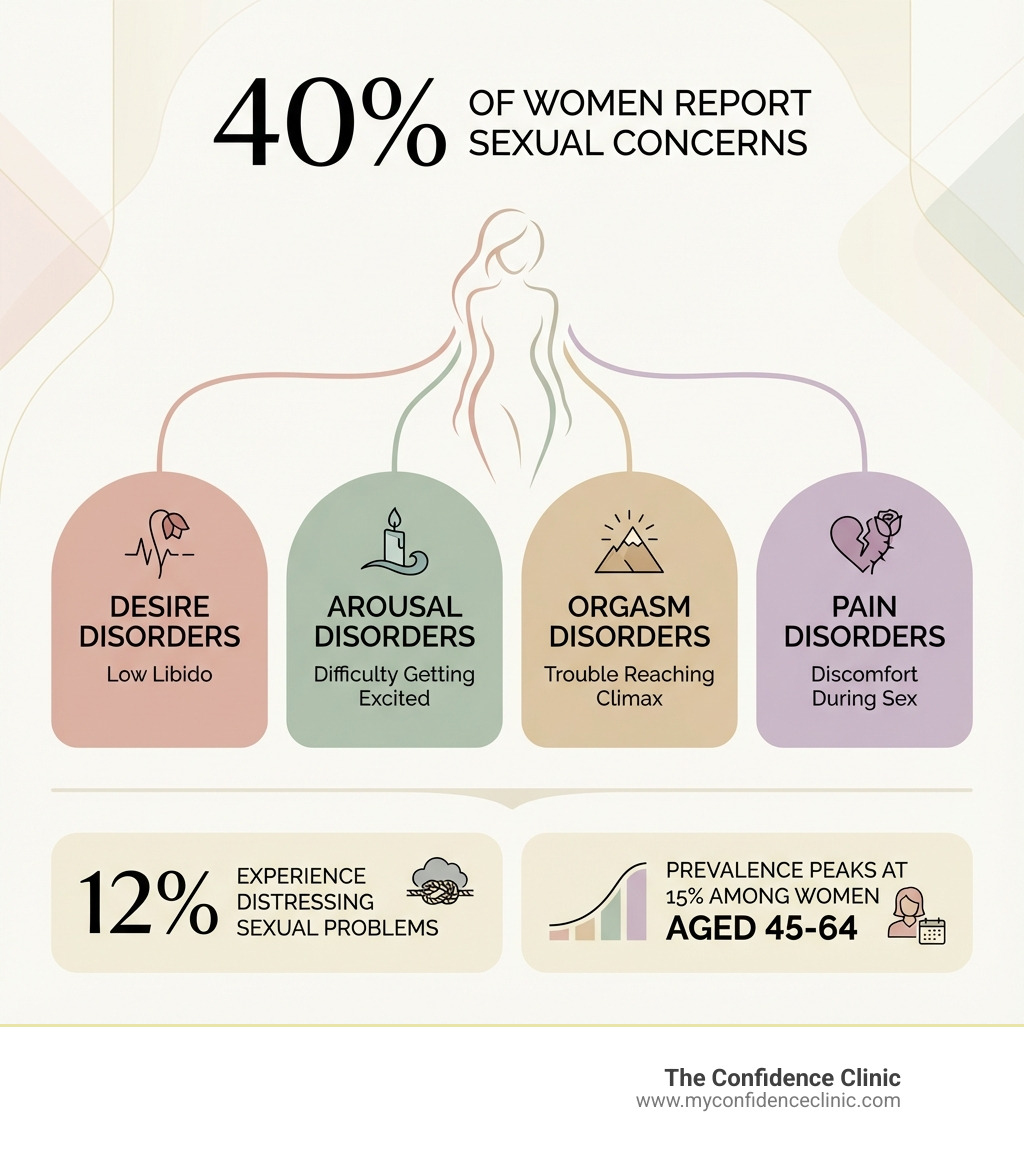
Approximately 40% of women report sexual concerns, and 12% experience distressing sexual problems. These issues can stem from hormonal changes, psychological factors, chronic conditions, medications, or a combination of causes. The good news? Most are manageable with the right approach.
Sexual health is not a luxury—it’s a core part of your overall well-being and quality of life. When something feels off, it affects your confidence, your relationships, and how you feel in your own body. You deserve to feel satisfied, comfortable, and confident.
I’m Dr. Mo Cale, DO, a board-certified physician and Medical Director of Center for Confidence, where I specialize in hormone optimization and regenerative treatments, including addressing Female sexual health issues through personalized, evidence-based care. My practice focuses on identifying root causes and creating comprehensive treatment plans that restore vitality and confidence.
Understanding the Four Main Types of Female Sexual Dysfunction
When we talk about female sexual health issues, we’re often referring to female sexual dysfunction (FSD). FSD isn’t a single condition but a group of concerns characterized by distress in various aspects of sexual function. Sexual response is highly individual and can change throughout different life stages. A problem is only considered a “dysfunction” if it causes personal distress or relationship issues.
The latest understanding classifies FSD into four main categories:
- Desire Disorders: Problems with sexual interest or libido.
- Arousal Disorders: Difficulties with physical and/or mental excitement during sexual activity.
- Orgasm Disorders: Challenges in achieving orgasm or experiencing reduced intensity.
- Pain Disorders: Persistent or recurrent pain associated with sexual activity.
These categories often overlap, and a woman might experience symptoms from more than one. The key factor for diagnosis is always the personal distress caused by these issues. For a deeper dive into these conditions, you can find more information on Female Sexual Dysfunction.
Desire and Arousal Disorders
Perhaps the most commonly reported female sexual health issue is a lack of interest in sex. This falls under desire and arousal disorders.
- Hypoactive Sexual Desire Disorder (HSDD): This is characterized by a persistent or recurrent deficiency (or absence) of sexual fantasies and desire for sexual activity.
- Sexual Interest/Arousal Disorder (SIAD): This broader category, introduced in the DSM-5, combines HSDD and female sexual arousal disorder. It reflects a lack of, or significantly reduced, sexual interest/arousal. This can manifest as reduced or absent interest in sexual activity, sexual thoughts/fantasies, or initiation of sexual activity. It can also include difficulty with subjective arousal (feeling turned on) and/or physical arousal (vaginal lubrication, genital sensations).
It’s not just about a “low libido”; it’s about the distress this causes. Our brain chemistry plays a significant role here. Neurotransmitters like dopamine, which is associated with pleasure and reward, and serotonin, which can influence mood and desire, are integral to sexual function. Imbalances in these brain chemicals can directly impact desire and arousal.
Orgasm and Pain Disorders
Beyond desire and arousal, difficulties with climax and pain during sex are significant female sexual health issues.
- Anorgasmia: This refers to the persistent or recurrent difficulty, delay in, or absence of attaining orgasm following sufficient sexual stimulation and arousal. It can be a lifelong condition or acquired later in life.
- Dyspareunia (Painful Intercourse): This is persistent or recurrent genital pain associated with sexual activity. It can range from mild discomfort to severe, sharp pain, and can occur superficially (at the vaginal opening) or deeply (within the pelvis). Vaginal dryness is often identified as a leading cause of painful sex, especially as women age.
- Vaginismus: This involves involuntary spasms of the muscles around the vaginal opening, making penetration difficult or impossible. It’s often linked to fear or anxiety about sex or pain.
- Genito-Pelvic Pain/Penetration Disorder (GPPPD): This DSM-5 diagnosis combines dyspareunia and vaginismus, encompassing difficulties with vaginal penetration, vulvovaginal or pelvic pain during intercourse or attempts at penetration, and significant fear or anxiety about pain.
- Vulvodynia: This is chronic pain or discomfort around the vaginal opening (vulva) that lasts for at least three months and has no identifiable cause. The pain can be burning, stinging, irritation, or rawness.
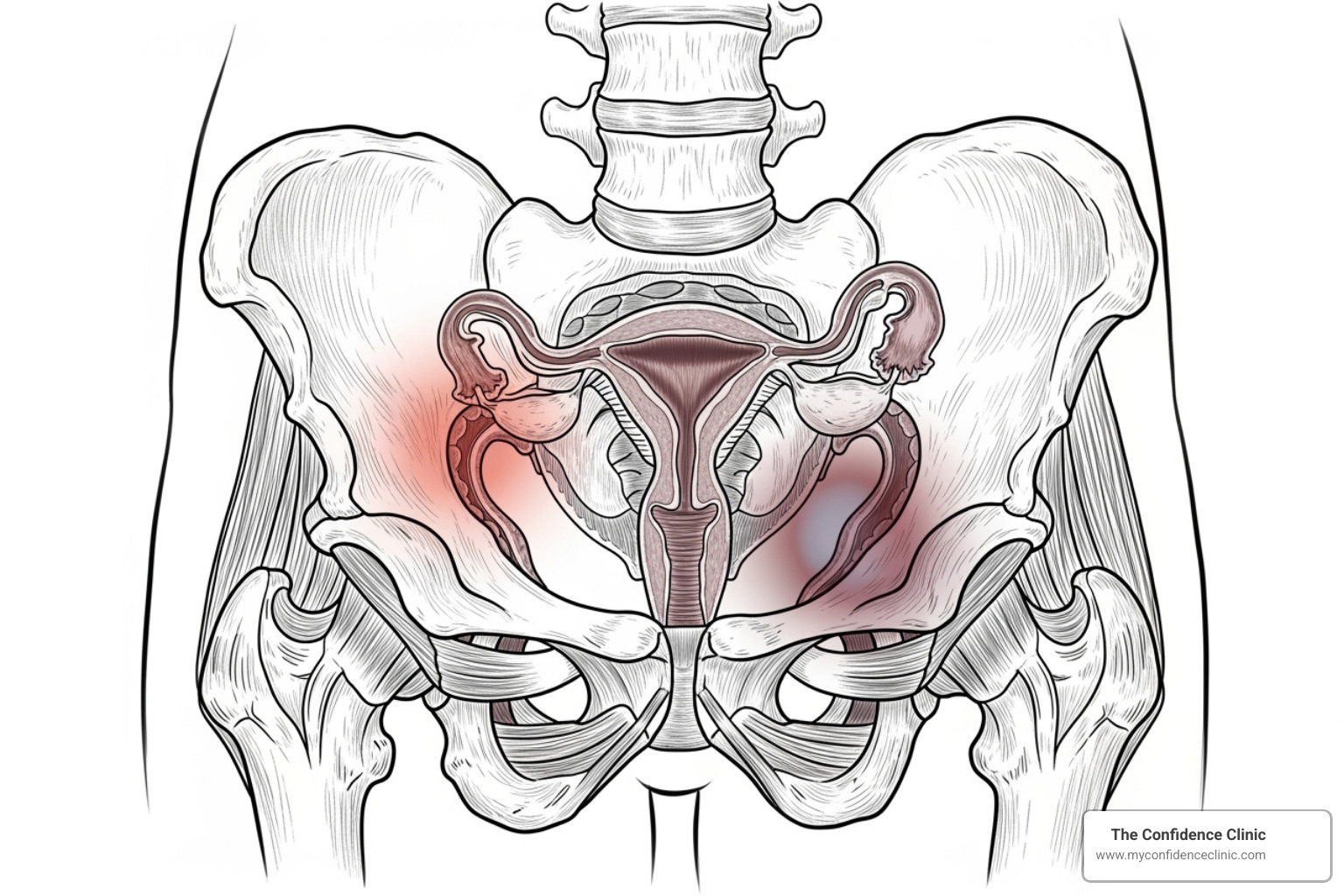
Understanding these distinct but often overlapping issues is the first step toward finding effective solutions.
The Complex Causes: Biological, Psychological, and Physical Factors
When we address female sexual health issues, we adopt a “whole-woman” approach. This means recognizing that sexual function is influenced by a complex interplay of biological, psychological, and physical factors. Just like a delicate ecosystem, if one part is out of balance, it can affect the entire system. Our goal at Center for Confidence is to perform a thorough root cause analysis to understand why you’re experiencing these challenges.
Hormonal and Biological Changes
Hormones are powerful messengers in our bodies, and their fluctuations can significantly impact sexual health.
- Menopause and Perimenopause: These life stages are often pivotal. As women approach and enter menopause, the ovaries naturally produce less estrogen and progesterone. This decline can lead to symptoms like hot flashes, sleep disturbances, mood changes, and crucially, vaginal dryness and a decrease in libido. In fact, the prevalence of female sexual distress peaks around middle age (45-64 years), affecting about 15% of women in this age group.
- Genitourinary Syndrome of Menopause (GSM): This term has replaced “vaginal atrophy” to better describe the constellation of genital, sexual, and urinary symptoms associated with declining estrogen levels. Up to 50% of menopausal women are affected by GSM, experiencing vaginal dryness, burning, itching, discomfort or pain with intercourse, and even urinary urgency or recurrent UTIs. This thinning and drying of vaginal tissues can make sexual activity painful, further reducing desire and enjoyment.
- Testosterone’s Role: While often associated with male hormones, testosterone also plays a vital role in female libido and sexual satisfaction. Its levels naturally decline with age, and imbalances can contribute to low sexual desire.
- Thyroid Imbalances: An underactive or overactive thyroid can affect overall energy levels, mood, and hormonal balance, indirectly impacting sexual function.
At Center for Confidence, we offer Bioidentical Hormone Therapy in Clearwater to address these imbalances, and we also specialize in Thyroid Health in Clearwater to ensure all hormonal systems are optimized. For a comprehensive understanding of menopause and its effects, you can refer to An overview of Menopause.
The Psychological Side of Female Sexual Health Issues
Our minds are incredibly powerful, and psychological factors can profoundly influence female sexual health issues. It’s not “all in your head,” but your head plays a huge role!
- Stress and Anxiety: High stress levels and anxiety can divert mental and physical energy away from sexual desire and arousal. Breathing exercises and mindfulness techniques can help manage these reactions.
- Depression: Depression is strongly linked to reduced libido and overall sexual dysfunction. The relationship between stress, anxiety, and depression with sexual function is well-documented.
- Body Image: Negative body image can lead to self-consciousness and inhibit sexual enjoyment.
- Relationship Difficulties: Unresolved conflicts, poor communication, or a lack of intimacy in a relationship can dampen sexual desire and satisfaction. Open communication with your partner about needs and desires is crucial.
- History of Trauma or Abuse: Past experiences of sexual trauma or abuse can lead to significant psychological barriers to sexual intimacy, including fear, pain, and difficulty with arousal or orgasm.
- Cultural or Religious Beliefs: Societal or religious conditioning around sexuality can instill feelings of guilt, shame, or inhibition, making it difficult to fully accept one’s sexual self.
- Fear of Pain or Intimacy: For women who have experienced painful sex, the anticipation of pain can create a psychological barrier, leading to avoidance and further dysfunction.
Psychologists play a key role in addressing these factors, offering supportive, non-judgmental environments and evidence-based treatments like Cognitive-Behavioral Therapy (CBT) and mindfulness interventions.
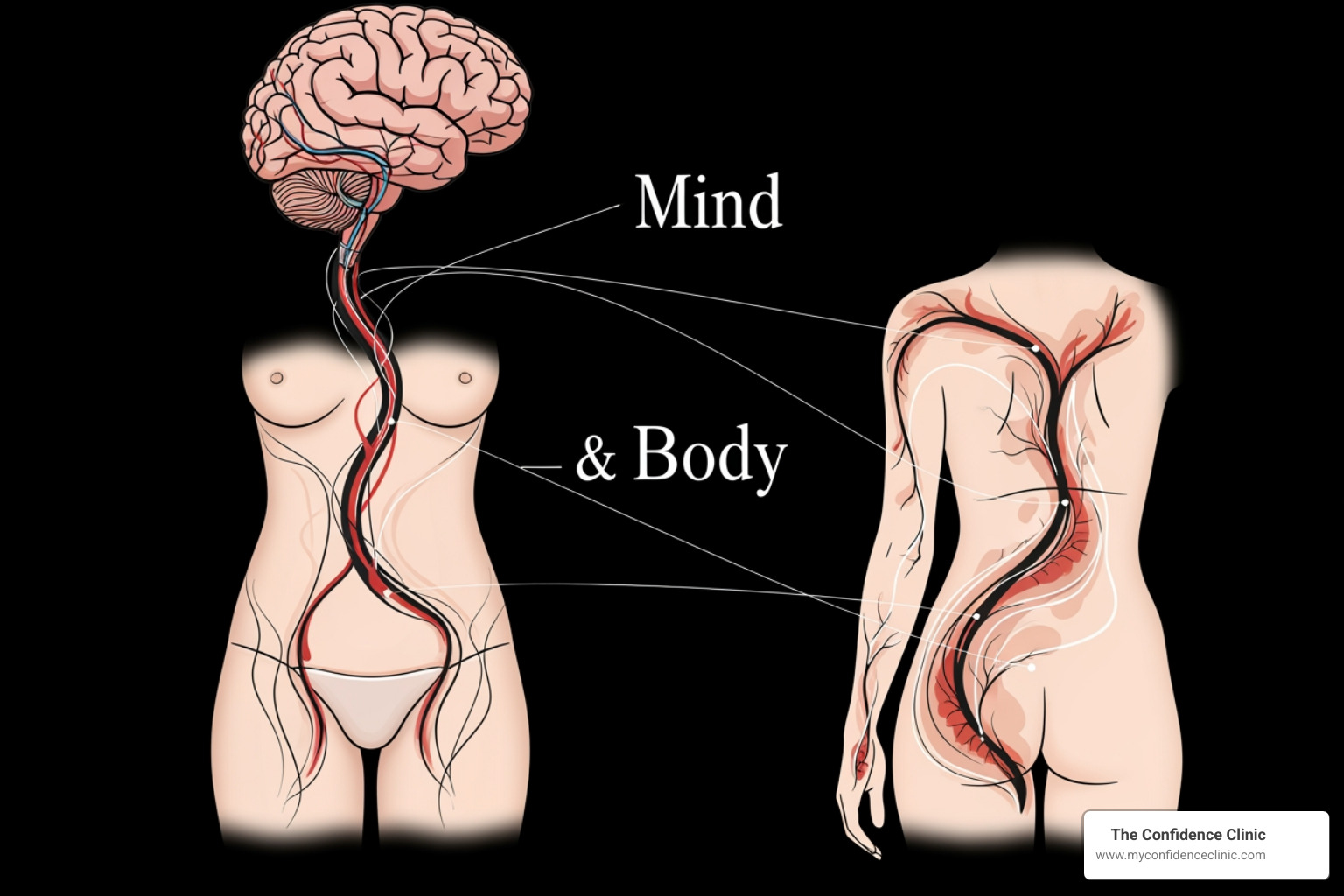
Physical Conditions and Their Impact on Female Sexual Health Issues
Beyond hormonal shifts, various physical conditions and medical treatments can directly contribute to female sexual health issues.
- Chronic Diseases: Conditions such as diabetes, heart disease, hypertension, and even thyroid disorders can affect nerve function, blood flow, and overall energy, all of which are crucial for healthy sexual response. For instance, diabetes can impact the prevalence, incidence, and remission of sexual dysfunction in women.
- Postpartum Changes: Childbirth can lead to physical changes and injuries, including pelvic floor muscle damage, perineal tears, or nerve damage, which can result in pain during sex or other sexual dysfunctions. The demands of new motherhood, including fatigue and hormonal shifts, also commonly impact desire.
- Cancer Treatments: Many cancer treatments, including chemotherapy, radiation, and hormone therapies, can have significant side effects on sexual function. These can include premature menopause, vaginal dryness, pain, fatigue, and body image issues. Resources like Managing sexual side effects of cancer treatment are invaluable for women navigating these challenges.
- Side Effects of Medications: A wide range of medications can inadvertently affect sexual function. Certain antidepressants (especially SSRIs), blood pressure medications, antihistamines, and even some seizure medications can lower sexual desire, impair arousal, or make orgasm difficult. It’s always important to discuss potential side effects with your healthcare provider.
A Holistic Toolkit: Modern Treatments for Female Sexual Health Issues
The good news is that female sexual health issues are treatable, and you don’t have to suffer in silence. At Center for Confidence in Clearwater, we believe in personalized treatment plans and a multidisciplinary approach that considers the ‘whole woman.’ We integrate various therapies to address the root causes of your concerns.
Medical and Hormonal Therapies
Depending on the underlying cause, medical interventions can be highly effective:
- Hormone Replacement Therapy (HRT): For symptoms related to menopause or other hormonal deficiencies, systemic HRT can help manage hot flashes, mood swings, and improve overall well-being, which can indirectly boost sexual health.
- Local Estrogen Therapy: For vaginal dryness and pain associated with GSM, low-dose vaginal estrogen (creams, rings, or tablets) is often the first-line treatment. It works directly on the vaginal tissues to restore moisture and elasticity with minimal systemic absorption.
- DHEA Suppositories: Intravaginal dehydroepiandrosterone (DHEA) is another local vaginal therapy that can alleviate pain during sexual activity due to menopause.
- Non-Hormonal Medications:
- Flibanserin (Addyi): Approved for premenopausal women with acquired, generalized Hypoactive Sexual Desire Disorder (HSDD) when not caused by other medical conditions or medications.
- Bremelanotide (Vyleesi): Also approved for premenopausal women with HSDD, this medication is an injectable that can be used as needed.
- Testosterone Therapy: For postmenopausal women experiencing a persistent lack of sexual desire and arousal, a short-term trial of transdermal testosterone may be considered after a thorough discussion of risks and benefits. We offer specialized Low Testosterone Treatment in Clearwater to address these specific needs.
Counseling, Physical Therapy, and Lifestyle Changes
Often, a comprehensive approach involves more than just medication.
- Sex Therapy: A specialized form of counseling that helps individuals and couples address sexual concerns. Sex therapists provide education, communication strategies, and behavioral exercises to improve sexual function and satisfaction.
- Cognitive-Behavioral Therapy (CBT) and Mindfulness-Based Interventions: These psychological therapies can help reframe negative thoughts about sex, reduce anxiety, and improve body awareness and pleasure. Mindfulness, in particular, can improve sexual arousal and satisfaction by fostering presence and reducing distraction.
- Pelvic Floor Physical Therapy: For pain disorders like dyspareunia and vaginismus, or issues related to postpartum injuries, pelvic floor physical therapy is incredibly beneficial. A specialized therapist can help strengthen, relax, and coordinate pelvic floor muscles, reducing pain and improving function.
- Vaginal Dilators: These medical devices can be used in conjunction with physical therapy to gradually stretch and desensitize vaginal tissues, particularly useful for vaginismus or after pelvic radiation.
- Lubricants and Moisturizers: Over-the-counter lubricants can significantly reduce friction and discomfort during sex, while vaginal moisturizers provide longer-lasting relief from dryness.
- Communication with a Partner: Open, honest communication about sexual needs, desires, and concerns is fundamental to a healthy and satisfying sex life.
We emphasize a holistic approach at Center for Confidence, integrating these strategies into a personalized plan for your overall well-being. Learn more about our philosophy at Holistic Wellness in Clearwater.
Advanced Regenerative Treatments and Clinical Trials
The field of female sexual health is continuously evolving, with exciting advancements and ongoing research.
- Platelet-Rich Plasma (PRP) Therapy: This innovative treatment involves using a concentration of a patient’s own platelets, which contain growth factors, injected into specific areas of the vagina and clitoris. The goal is to stimulate tissue regeneration, improve blood flow, and improve sensation and lubrication.
- The O-Shot®: A specific type of PRP therapy designed to refresh vaginal and clitoral tissues, potentially leading to increased arousal, stronger orgasms, and reduced pain. Many women in Clearwater, Tampa, Palm Harbor, St. Petersburg, Safety Harbor, and Dunedin have found success with this treatment. You can find more about the O-Shot and its benefits.
- Laser Treatments: Certain laser therapies are being explored to stimulate collagen production in vaginal tissues, improving elasticity and moisture for conditions like GSM. While some treatments are promising, it’s important to note that vaginal CO2 fractional laser treatment for dyspareunia due to GSM should primarily be used within a research setting outside of specific clinical indications.
- Exploring New Options: We stay updated on the latest research and clinical trials, always seeking the most effective and safest options for our patients. For those interested in cutting-edge research, resources like Clinical trials for Female Sexual Dysfunction provide insights into ongoing studies.
Frequently Asked Questions about Female Sexual Health
It’s natural to have questions about such a personal and important topic. Here, we address some common concerns we hear at Center for Confidence.
Is it normal to have a low sex drive after menopause?
Yes, it’s common for women to experience a decrease in sex drive during and after menopause. This is primarily due to the significant drop in estrogen and, often, testosterone levels. These hormonal shifts can reduce desire, arousal, and lead to vaginal dryness, which can make sex uncomfortable or even painful. When sex is no longer pleasurable, it’s understandable that interest might wane. However, “common” doesn’t mean “normal” if it causes you distress. Many effective treatments, including hormone therapies, non-hormonal medications, and lifestyle adjustments, can help you regain your sexual vitality.
Can my medications be causing my sexual problems?
Absolutely. It’s a very common scenario. Many medications, while necessary for other health conditions, can have sexual side effects. Some of the most frequent culprits include:
- Antidepressants (especially SSRIs): Can reduce libido, delay or prevent orgasm, and blunt arousal.
- Blood Pressure Medications: Some types can affect blood flow and nerve signals, impacting arousal.
- Antihistamines: Can cause dryness in mucous membranes, including the vagina.
- Oral Contraceptives: For some women, these can lower testosterone levels, leading to reduced libido.
If you suspect your medication is impacting your sexual health, please discuss it with your healthcare provider. Never stop taking a prescribed medication without consulting your doctor first. We can often explore alternative medications, dosage adjustments, or complementary treatments to mitigate these side effects.
How do I bring up sexual health concerns with my doctor?
We understand that discussing female sexual health issues can feel awkward or embarrassing, but please know that healthcare professionals are here to help, and it’s a very common medical issue. Many women tell us they feel uncomfortable initiating the conversation. Here are a few tips:
- Start with a simple statement: You can begin by saying, “I have some concerns about my sexual health that I’d like to discuss,” or “I’ve been experiencing some changes in my sex life that are bothering me.”
- Write it down: Jotting down your questions or symptoms beforehand can help you feel more prepared and ensure you don’t forget anything important during your appointment.
- Be specific: While starting generally is fine, be prepared to describe your symptoms (e.g., lack of desire, pain during intercourse, difficulty with orgasm) and how they affect you.
- Remember it’s a medical issue: Frame it as any other health concern. Your sexual health is an integral part of your overall well-being.
- Seek the right provider: If you don’t feel comfortable with your current provider, or if they dismiss your concerns, seek out a specialist in sexual health, women’s health, or functional medicine, like our team at Center for Confidence in Clearwater.
Reclaim Your Vitality and Satisfaction
Your sexual health is a vital part of your overall well-being, influencing your confidence, relationships, and sense of self. If you’re experiencing female sexual health issues, please know that you are not alone. Statistics show that millions of women face these challenges, and the good news is that effective, personalized treatments are available.
At Center for Confidence, we are dedicated to helping women in Clearwater, Tampa, Palm Harbor, St. Petersburg, Safety Harbor, and Dunedin reclaim their vitality and satisfaction. Our holistic, functional medicine approach focuses on identifying and addressing the root causes of your concerns, rather than just treating symptoms. We provide a comfortable, non-judgmental space where you can openly discuss these “awkward” health issues and receive comprehensive, compassionate care.
Don’t let female sexual health issues diminish your quality of life. Take the first step towards a more satisfying and confident you. Learn how the O-Shot can revitalize your sexual wellness and find the personalized solutions we offer. We’re here to help you open up your best self.


