

Understanding the Complex Relationship Between GHRP-2 and Fat Loss
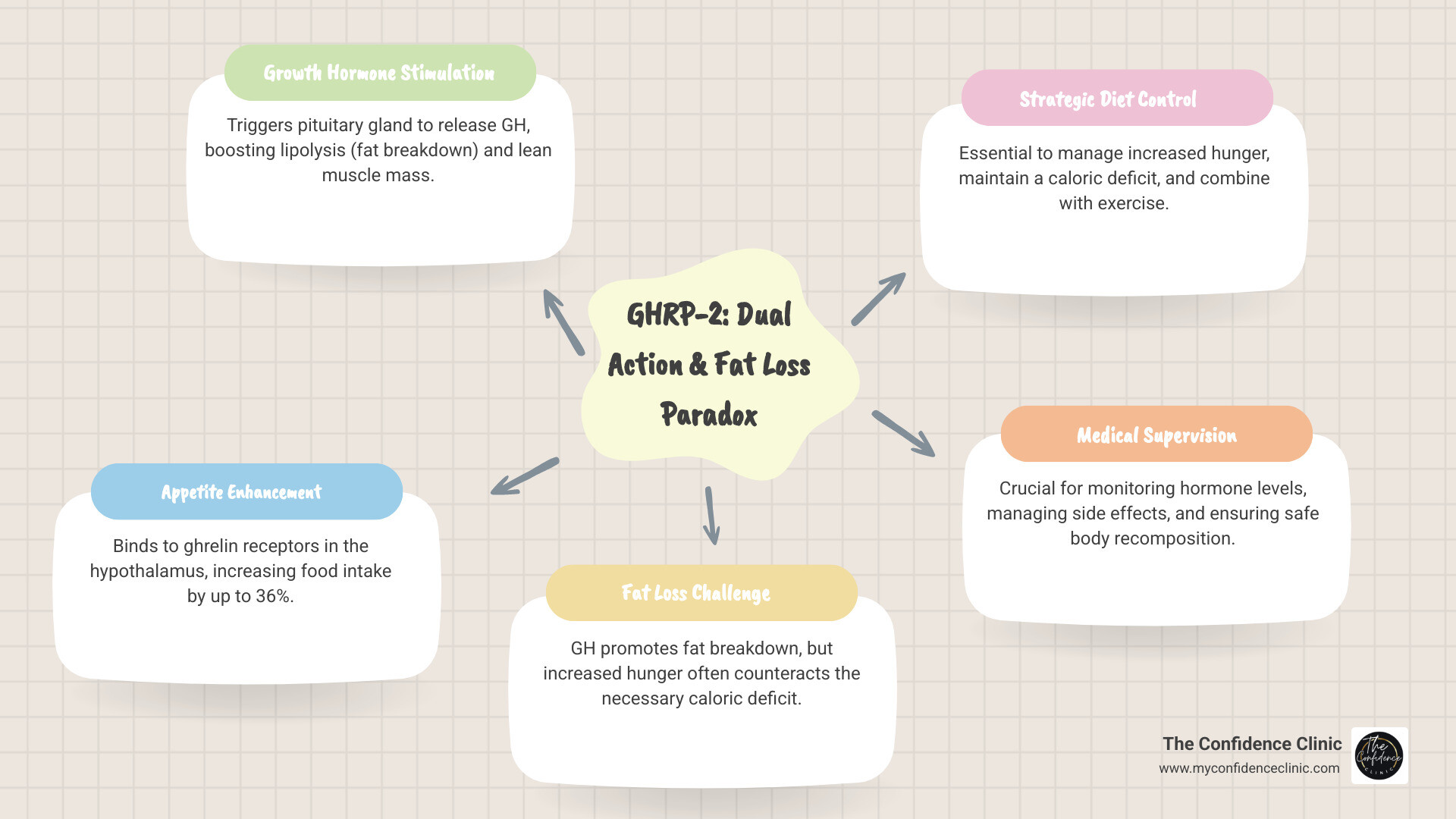
GHRP 2 fat loss is a topic surrounded by both scientific promise and practical complexity. While GHRP-2 is a growth hormone secretagogue that stimulates GH release—which theoretically supports fat metabolism—clinical research reveals an important paradox: GHRP-2 significantly increases appetite and food intake in humans.
Quick Answer: Does GHRP-2 Cause Fat Loss?
- GHRP-2 stimulates growth hormone release, which promotes lipolysis (fat breakdown)
- However, GHRP-2 increases food intake by 35.9% in healthy individuals
- The appetite increase is dose-dependent (10-34% increase depending on dose)
- Fat loss requires strict dietary control to counteract increased hunger
- GHRP-2 works best as part of a comprehensive body recomposition strategy, not as a standalone fat loss agent
- Effects are similar in both lean and obese individuals
The research is clear: GHRP-2, like its natural counterpart ghrelin, acts as a potent appetite stimulant. Studies show that subjects infused with GHRP-2 consumed significantly more calories—eating 136.0 ± 13.0 kJ/kg compared to 101.3 ± 10.5 kJ/kg with placebo. This appetite effect occurs alongside increased growth hormone secretion, creating a unique challenge for those seeking fat loss.
I’m Dr. Mo Cale, a board-certified physician and Medical Director of Center for Confidence, where I’ve helped countless patients steer peptide therapies including GHRP 2 fat loss protocols as part of comprehensive hormone optimization and body recomposition programs. Understanding both the metabolic benefits and appetite challenges of GHRP-2 is essential for successful outcomes.
Browse Our Blog Posts by Category
At Center for Confidence, we often discuss the intricate dance of hormones and peptides that govern our body’s functions. Among these fascinating molecules is GHRP-2, a synthetic peptide with a powerful role in regulating growth hormone and appetite.
GHRP-2 stands for Growth Hormone Releasing Peptide-2. It’s a synthetic hexapeptide, specifically known as d-Ala-d-b Nal-Ala-Trp-d-Phe-Lys-NH2. Finded in the 1980s, GHRP-2 belongs to a class of compounds called Growth Hormone Secretagogues (GHS). These aren’t growth hormone themselves, but rather substances that encourage your body to produce and release more of its own growth hormone. Think of it as hitting the “start” button on your body’s natural GH factory!
GHRP-2 acts as a ghrelin agonist, meaning it mimics the actions of ghrelin, our body’s natural “hunger hormone.” It primarily works by binding to the GHS-R1a receptor, also known as the ghrelin receptor, found in various parts of the body, including the pituitary gland and the hypothalamus. This binding initiates a cascade of events that significantly impact both our metabolic rate and our desire to eat.
The findy of ghrelin itself in 1999 by Kojima M. et al., published in Nature, was a landmark moment in endocrinology. For more insights into this groundbreaking research, you can refer to the scientific research on ghrelin’s discovery. This research illuminated ghrelin’s crucial role as an endogenous ligand for the GHS receptor, secreted primarily by the stomach, and its influence on GH release, food intake, and overall energy balance.
How GHRP-2 Stimulates Growth Hormone
One of the primary and most well-understood mechanisms of GHRP-2 is its potent ability to stimulate the release of Growth Hormone (GH). When GHRP-2 binds to the GHS-R1a receptors on pituitary somatotrophs (the cells in the pituitary gland that produce GH), it directly signals them to secrete GH. Additionally, it interacts with hypothalamic pathways that further amplify this release.
The effect is not just a trickle; studies have shown that GHRP-2 administration leads to a significant increase in serum GH levels, often in a dose-dependent manner. This stimulation can even lead to a sustained elevation of pulsatile GH secretion, as demonstrated in studies involving long-term continuous subcutaneous infusion of GHRP-2. This robust GH release is where the theoretical benefits for GHRP 2 fat loss and body recomposition largely stem from.
For those interested in exploring these benefits further, especially within the context of holistic wellness and hormone optimization in areas like Clearwater, Tampa, and St. Petersburg, we offer specialized services. You can find more info about growth hormone peptide services on our website.
The Connection Between GHRP-2 and Ghrelin
The relationship between GHRP-2 and ghrelin is a close one, almost like a lock and key. Ghrelin is the body’s natural hormone that stimulates both GH secretion and, perhaps more famously, appetite and meal initiation. It’s often dubbed the “hunger hormone” due to its powerful orexigenic effects. Ghrelin plays a vital role in regulating energy balance, signaling to the brain when it’s time to eat.
GHRP-2, being a synthetic ghrelin agonist, effectively “fools” the body into thinking there’s more ghrelin present. By binding to the same ghrelin receptors, GHRP-2 mimics these actions, leading to increased GH release and a significant boost in appetite. This dual action is crucial for understanding why navigating GHRP 2 fat loss can be tricky – while we aim for the GH benefits, we must also contend with the ghrelin-like appetite stimulation.
The Appetite Paradox: GHRP-2’s Impact on Food Intake
Here’s where the plot thickens for anyone considering GHRP 2 fat loss. While the growth hormone stimulating effects are appealing, GHRP-2’s most immediate and noticeable effect in humans is a significant increase in appetite and food intake. This is the “appetite paradox” that we at The Confidence Clinic help our patients in Palm Harbor and Dunedin understand and manage.
This image illustrates the complex network within our brain, particularly the hypothalamus, responsible for controlling appetite. GHRP-2 directly influences these centers. Clinical studies have carefully documented this effect, often using Visual Analogue Scales (VAS) for subjective hunger ratings and carefully measured food consumption data to quantify caloric intake increases.
Does GHRP-2 Increase Appetite in Humans?
The answer, unequivocally, is yes. Clinical studies provide compelling evidence that GHRP-2 significantly increases appetite and food intake in humans. One study, for instance, showed that healthy men infused with GHRP-2 ate a remarkable 35.9 ± 10.9% more food compared to when they received a placebo. This wasn’t just a small snack; it translated to subjects consuming 136.0 ± 13.0 kJ/kg of body weight with GHRP-2 versus 101.3 ± 10.5 kJ/kg with saline. Every single subject in that study increased their intake!
Furthermore, this effect is dose-dependent. Research indicates that GHRP-2 infusion can increase food intake by 10.2 ± 3.9% at a low dose and by an even more substantial 33.5 ± 5.8% at a high dose compared to placebo. Subjects also reported higher hunger ratings and a greater desire to eat, feeling less full before their meals with higher doses of GHRP-2.
This powerful orexigenic effect means that while GHRP-2 can be a fantastic tool for certain therapeutic applications, such as stimulating appetite in conditions of wasting or malnutrition, it presents a significant hurdle for those aiming for GHRP 2 fat loss. Managing this increased hunger becomes paramount.
Understanding your body’s signals and developing strategies to maintain a healthy relationship with food is part of our holistic approach to wellness. To learn more about how we integrate various aspects of health for optimal results, explore more info about holistic wellness approaches.
Effects on Lean vs. Obese Individuals
You might wonder if the appetite-stimulating effects of GHRP-2 differ between lean and obese individuals. This was a key question in clinical research, especially considering that obese individuals often have lower circulating ghrelin levels, which might suggest a different response to ghrelin agonists.
However, studies have shown that the stimulatory effect of GHRP-2 on food intake appears to be remarkably similar in both lean and obese subjects. For instance, obese individuals experienced an increase in food intake by 18.3 ± 5.3% at a low dose and 32.8 ± 8.7% at a high dose compared to placebo. These percentages are very close to those observed in lean men (10.6 ± 2.9% at low dose and 26.1 ± 6.6% at high dose).
This finding is significant because it suggests that the ghrelin system, despite some differences in basal levels, is not “resistant” to exogenous stimulation by GHRP-2 in obese individuals. The appetite stimulation response remains robust, meaning that anyone, regardless of their current body composition, must be mindful of the increased hunger when using GHRP-2.
The Potential Role of GHRP-2 in Fat Loss and Body Composition
Given GHRP-2’s dual action—stimulating growth hormone and appetite—how can it possibly contribute to GHRP 2 fat loss? This is where the concept of “body recomposition” truly comes into play, moving “beyond the scale” to focus on changing your body’s muscle-to-fat ratio.
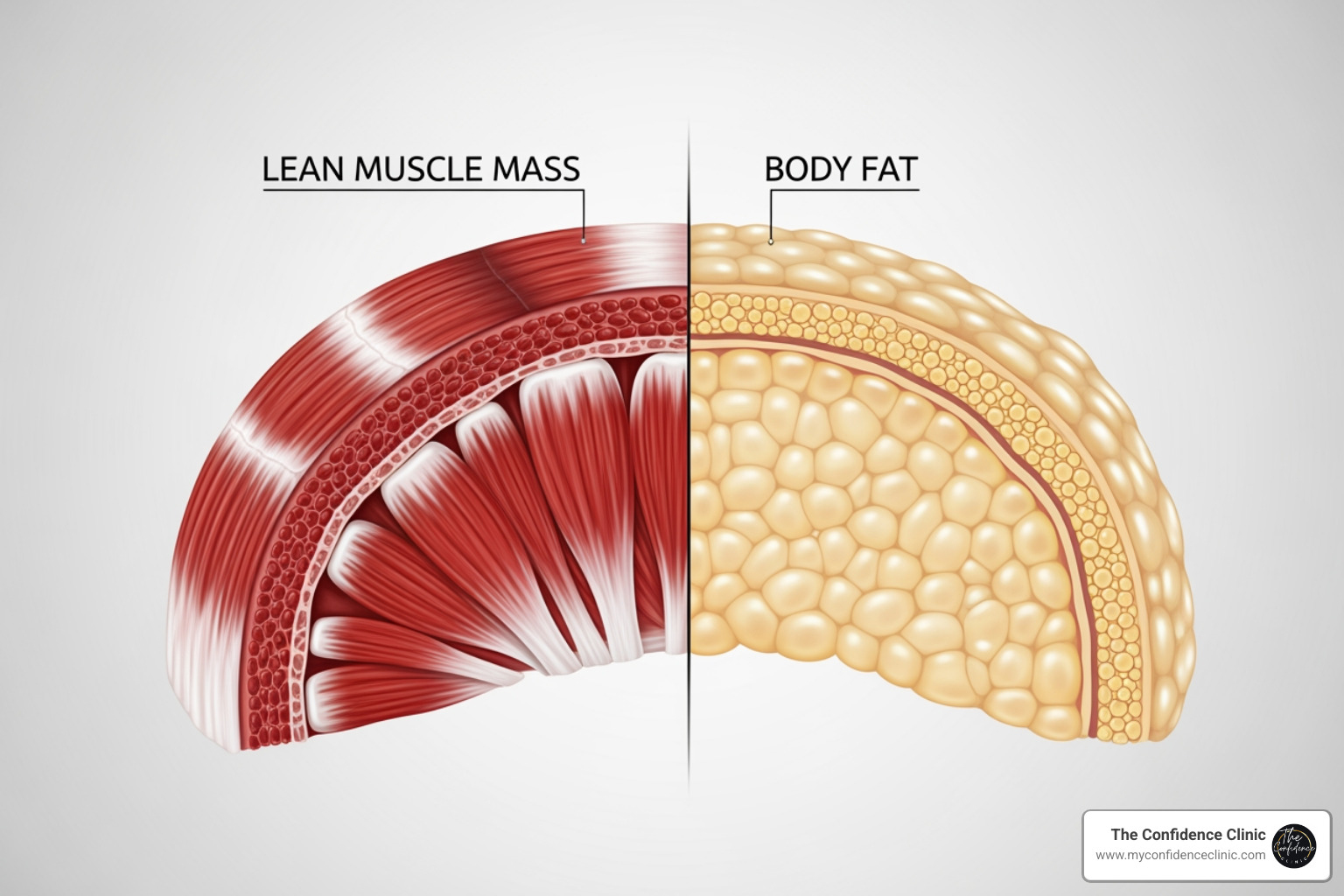
The key lies in the growth hormone component. Growth hormone is a powerful anabolic hormone that also has significant lipolytic (fat-burning) properties. It helps preserve and build lean muscle mass, which is metabolically active tissue, while mobilizing stored body fat for energy. This can lead to a more favorable body composition, even if the number on the scale doesn’t drastically change.
Using GH for Fat Metabolism
Growth hormone facilitates fat metabolism in several ways:
- Direct Lipolysis: GH directly promotes the breakdown of triglycerides (stored fat) in fat cells, releasing fatty acids into the bloodstream to be used as fuel.
- Increased Metabolism: By supporting lean muscle mass, GH indirectly boosts your basal metabolic rate. Muscles burn more calories at rest than fat, so increasing muscle mass can lead to greater overall calorie expenditure.
- Improved Insulin Sensitivity: While the relationship is complex, optimal GH levels can contribute to better insulin sensitivity, which is crucial for efficient fat burning and preventing fat storage.
Therefore, the GH-stimulating effect of GHRP-2 can indeed be a valuable asset for fat metabolism and body recomposition. It’s not about simply losing weight, but about shifting the composition of that weight – reducing fat while maintaining or even building muscle.
At Center for Confidence, serving communities like Clearwater, Tampa, and Safety Harbor, we specialize in personalized weight loss strategies that go beyond quick fixes. We offer a range of peptide therapies designed to support your metabolic health and body composition goals. Find more info about weight loss peptide services custom to your needs.
Navigating the Appetite Increase for Successful GHRP-2 Fat Loss
The greatest challenge for GHRP 2 fat loss is undoubtedly the increased appetite. If not managed carefully, the powerful hunger signals stimulated by GHRP-2 can easily lead to consuming more calories than you burn, negating any fat-burning benefits from increased GH.
Successful outcomes require a strategic and disciplined approach:
- Strategic Timing: Administering GHRP-2 at specific times, such as before workouts or during periods when you can control food access, might help mitigate uncontrolled eating.
- Diet Management: This is non-negotiable. To achieve fat loss, you must maintain a caloric deficit. This means carefully tracking your food intake and making conscious choices to eat nutrient-dense, satisfying foods that help manage hunger.
- Combining with Exercise: Regular exercise, particularly resistance training, works synergistically with increased GH levels to build muscle. This improves fat burning and improves body composition.
- Holistic Approach: At Center for Confidence, we emphasize that no single peptide is a magic bullet. We integrate GHRP-2 into a broader, personalized plan that includes nutrition, exercise, stress management, and other hormone optimizations. This holistic approach addresses the root causes of metabolic imbalances.
Understanding the root causes of your health challenges is central to our philosophy. We believe in empowering our patients in Clearwater, St. Petersburg, and beyond to make informed decisions about their well-being. Learn more about understanding root cause medicine for health and how it can transform your health journey.
Clinical Considerations and Safety Profile
When considering any peptide therapy, including GHRP-2, understanding its clinical considerations and safety profile is paramount. At Center for Confidence, we prioritize your well-being, ensuring all treatments are administered under strict medical supervision and custom to your unique health needs.
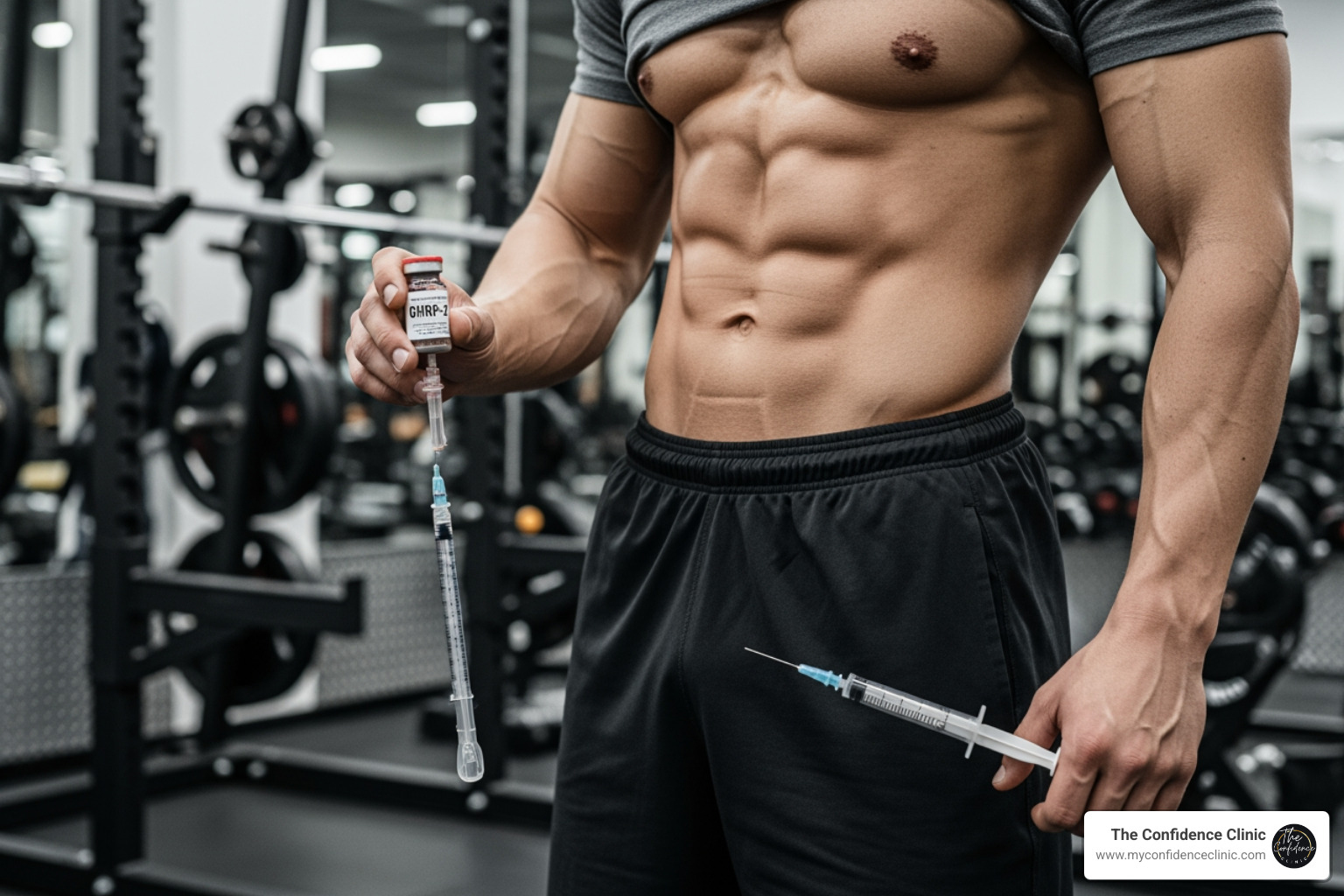
GHRP-2 has been administered through various methods in research settings, including intravenous infusion and subcutaneous injection. The intranasal route has also been explored, particularly in specific case studies, demonstrating its versatility.
In short-term human studies, GHRP-2 has generally been reported as safe with no serious adverse events. However, its physiological effects do come with some notable changes:
- Increased Hunger: As discussed, this is a primary and expected effect.
- Increased Cortisol: Studies have shown that high doses of GHRP-2 can lead to a significant, transient increase in serum cortisol levels. Cortisol is a stress hormone, and while a transient increase might not be problematic, sustained high levels can have metabolic consequences.
- Increased Prolactin: While not explicitly detailed for GHRP-2 in all provided sources, general HGH peptide therapies can sometimes influence prolactin levels. It’s a factor we monitor in comprehensive hormone panels.
Is GHRP-2 Safe for Long-Term Use?
The question of long-term safety for GHRP-2, particularly outside of specific medical conditions, is one that requires ongoing research. While some studies have explored continuous infusion over periods like 30 days, providing insights into sustained GH elevation, comprehensive long-term data specifically for GHRP 2 fat loss or general wellness in healthy individuals is still limited.
The potential for receptor desensitization over extended periods is a theoretical concern with any agent that continuously stimulates a receptor. This is why careful dosing strategies and periodic breaks are often considered in clinical practice.
Monitoring hormone levels, including GH, IGF-1, cortisol, and prolactin, is crucial during GHRP-2 therapy. This allows us to track your body’s response, assess efficacy, and identify any potential adverse effects early. The importance of medical supervision cannot be overstated. Self-administration without professional guidance can lead to unintended consequences and compromise your health goals.
At Center for Confidence, whether you’re in Clearwater, Palm Harbor, or St. Petersburg, we believe in creating customized longevity wellness treatment plans that integrate the latest scientific understanding with your individual health profile.
Long-Term Considerations for GHRP-2 Fat Loss Strategies
For individuals pursuing GHRP 2 fat loss, frame expectations around body recomposition rather than just weight loss. As seen in a case study of a severely emaciated Anorexia Nervosa patient, GHRP-2 administration led to increases in body weight, muscle mass, and fat mass. This highlights that while GHRP-2 has anabolic properties and can stimulate GH for lipolysis, its strong appetite-stimulating effect means that fat gain is possible if caloric intake is not carefully controlled. In a catabolic state like severe emaciation, this fat gain is therapeutic, but in other contexts, it would be counterproductive for fat loss.
Therefore, the goal is to leverage GHRP-2’s GH-boosting effects to support lean mass and fat metabolism, while carefully managing the appetite increase to ensure a caloric deficit. This balance is delicate and requires consistent effort and monitoring.
Here’s a list of potential side effects and considerations to monitor:
- Increased Hunger: This is the most consistent and potent effect, requiring diligent dietary control.
- Fluid Retention/Swelling: Some individuals may experience this, often associated with initial increases in GH.
- Joint and Muscle Discomfort: Also sometimes reported with GH therapy.
- Headache or Dizziness: Less common, but possible.
- Liftd Cortisol: As noted, transient increases can occur, especially with higher doses.
- Gynecomastia (in men) or Galactorrhea (in women): Due to potential increases in prolactin, though this is less commonly reported specifically with GHRP-2 in scientific literature.
These are potential effects, and individual responses can vary. Our team at The Confidence Clinic in Clearwater and Tampa works closely with you to monitor these and make adjustments as needed, ensuring your journey is as safe and effective as possible.
Frequently Asked Questions about GHRP-2
We often get asked common questions about GHRP-2 and its role in body recomposition. Here are some of the most frequent inquiries our patients in Clearwater, St. Petersburg, and Safety Harbor have.
Can GHRP-2 alone cause fat loss?
While GHRP-2 primarily stimulates growth hormone release, which is known to aid fat metabolism and promote lipolysis (fat breakdown), it also significantly increases appetite and food intake. This means that if you’re not carefully controlling your diet and maintaining a caloric deficit, the increased hunger can easily lead to consuming more calories, preventing fat loss or even causing fat gain. Therefore, GHRP-2 is best viewed as a tool to support body recomposition (reducing fat while building or maintaining muscle) as part of a comprehensive strategy, not as a standalone fat loss drug.
Does GHRP-2 affect the type of food I crave?
Based on current human studies, such as the one by Laferrère et al., GHRP-2 does not appear to significantly alter macronutrient preference. In other words, subjects given GHRP-2 didn’t show a particular craving for carbohydrates, fats, or proteins over another. The primary effect is an overall increase in total caloric consumption. So, while you might feel hungrier, the types of foods you desire are unlikely to change dramatically due to GHRP-2 itself.
What are the main side effects of GHRP-2?
In short-term human studies, GHRP-2 is generally considered well-tolerated. The most prominent and consistent “side effect” (or rather, a primary action) is a significant increase in hunger and food intake. Additionally, studies have reported potential mild, transient increases in serum cortisol levels, particularly at higher doses. Other effects like fluid retention or joint discomfort can sometimes be associated with general increases in growth hormone, but specific to GHRP-2 in direct scientific literature, increased hunger and cortisol are the most consistently noted.
Conclusion
The journey to optimize your body composition and achieve GHRP 2 fat loss is clearly not a simple one. GHRP-2 presents a fascinating paradox: it is a potent stimulator of growth hormone, which fundamentally supports fat metabolism and lean muscle growth, yet it also acts as a powerful appetite stimulant, mimicking the effects of ghrelin, our body’s natural hunger signal.
This complex relationship means that GHRP-2 is not a magic bullet for fat loss. Instead, it’s a powerful tool that, when wielded correctly, can be a valuable component of a comprehensive body recomposition strategy. Success hinges on a disciplined approach to diet, meticulous management of increased hunger, and consistent physical activity.
At Center for Confidence in Clearwater, Tampa, Palm Harbor, and our other Florida locations, we understand these nuances. Our expert team is dedicated to providing personalized, root-cause-based medicine, helping you steer the complexities of peptide therapies like GHRP-2. We create a comfortable, non-judgmental space to discuss your health goals and tailor treatments that align with your body’s unique needs, ensuring you achieve sustainable results beyond what the scale alone can tell you.
If you’re ready to explore how growth hormone peptides can be integrated into your wellness journey, we invite you to connect with us. For more info about our Growth Hormone Peptides in Clearwater, reach out today. We’re here to help you open up your full potential and build confidence from within.


