

Why the Gut-Brain Axis Matters for Your Health and Mood
The gut brain axis is the bidirectional communication network linking your gastrointestinal tract and your central nervous system. Here’s what you need to know:
- What it is: A complex system of nerves, hormones, and microbial signals that allow your gut and brain to constantly “talk” to each other.
- Key components: The enteric nervous system (your gut’s “brain”), the vagus nerve (the main communication highway), and your gut microbiome.
- Why it matters: This connection influences digestion, mood, stress, immunity, and may play a role in anxiety, depression, and IBS.
- How it works: Signals travel both ways. Your brain affects gut function (think “butterflies” when nervous), and your gut sends information back to your brain.
If you’ve ever had a “gut feeling” or felt nauseous from anxiety, you’ve experienced this connection. The science is clear: your gut doesn’t just digest food—it actively communicates with your brain, influencing everything from your mood to your immune system.
Over 90% of your body’s serotonin (a key mood regulator) is produced in your gut. Your gut microbiome—the trillions of bacteria in your digestive tract—produces neurotransmitters, regulates inflammation, and influences how you respond to stress. When this system is disrupted by poor diet, chronic stress, or antibiotics, it can lead to physical symptoms (bloating, irregular bowels) and mental health challenges (anxiety, depression, brain fog).
I’m Dr. Mo Cale, a board-certified physician specializing in functional and integrative medicine at Center for Confidence. I’ve seen how optimizing the gut brain axis through targeted nutrition and stress management can restore both physical wellness and mental clarity for my patients.
The ‘Second Brain’: How the Gut and Brain Communicate
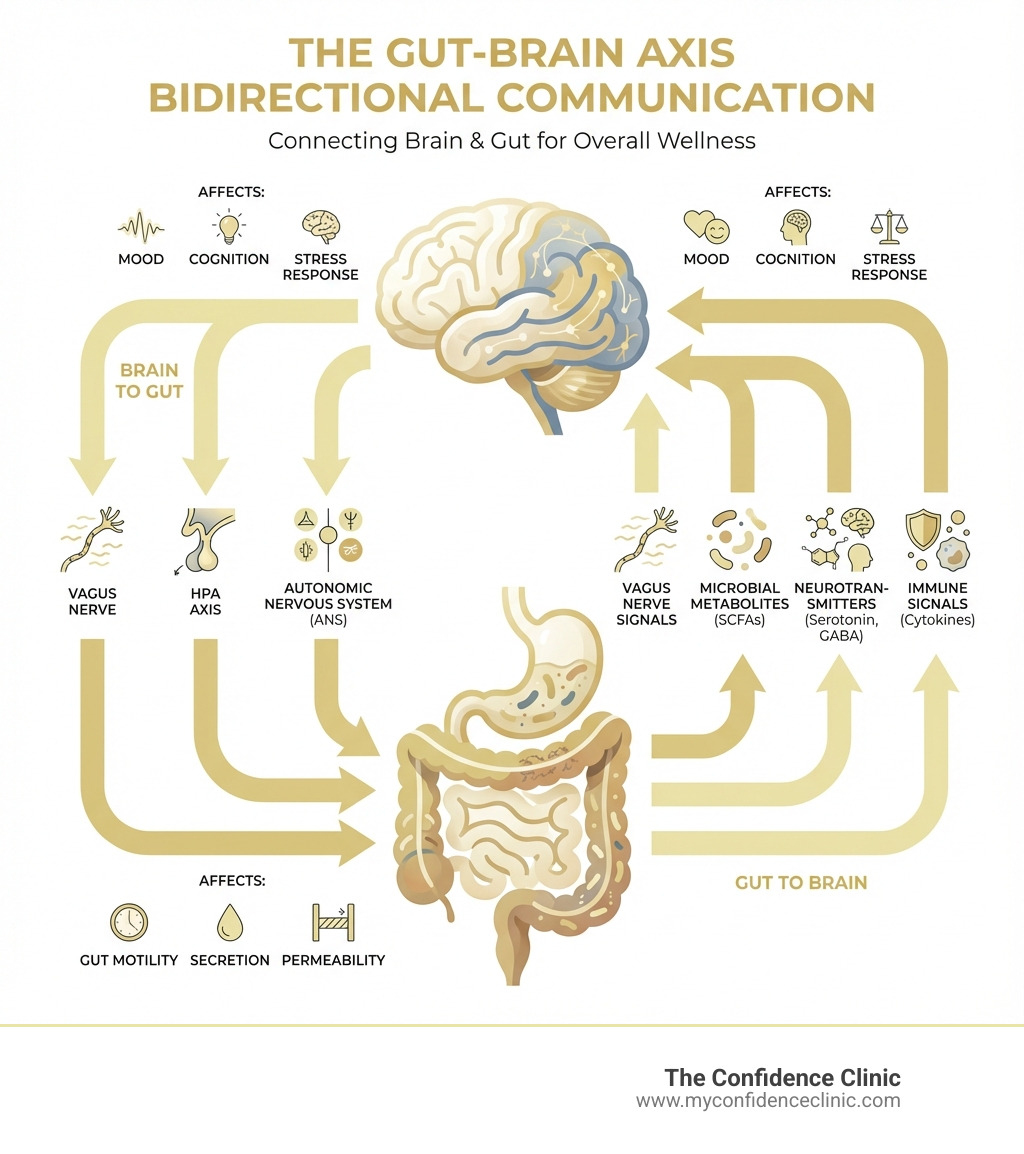
The gut brain axis is a complex, bidirectional network of nerves, hormones, and immune factors that constantly exchange information between our digestive system and central nervous system. This dialogue influences everything from digestion and nutrient absorption to our mood, stress response, and cognitive functions.
Key players in this system include the central nervous system (CNS), the enteric nervous system (ENS), the vagus nerve, and our immune and endocrine systems. This interplay means a “gut feeling” is a real physiological event. The Hypothalamic-Pituitary-Adrenal (HPA) axis, our body’s stress response system, is also deeply involved. Stress activates the HPA axis, releasing cortisol, which directly impacts gut function and the microbiome. Conversely, gut signals can modulate the HPA axis, influencing our stress reactivity.
The Enteric Nervous System (ENS): Your Gut’s Own Brain
Often called our “second brain,” the enteric nervous system (ENS) is a complex neural network of over 500 million neurons located within the walls of our gastrointestinal tract. Its remarkable complexity allows it to function independently of the brain, orchestrating the entire digestive process.
The primary roles of the ENS include:
- Controlling Gut Motility: Regulating the muscle contractions that move food through the digestive tract.
- Managing Secretion: Directing the release of digestive enzymes, mucus, and acids.
- Regulating Blood Flow: Adjusting blood flow to support digestion and nutrient absorption.
- Sensing the Gut Environment: Monitoring the chemical and physical state of the gut.
While the ENS can operate on its own, it constantly communicates with the brain, influencing and being influenced by our thoughts and emotions. It uses many of the same neurotransmitters found in the brain, and over 90% of our body’s serotonin is produced and stored in the gut.
The Vagus Nerve: The Superhighway of Communication
If the ENS is the gut’s local control center, the vagus nerve is the superhighway connecting it to the brain. This critical nerve is the primary pathway for information exchange along the gut brain axis. It’s a two-way street, but surprisingly, about 90% of its signals travel from the gut to the brain. This means our gut is constantly sending a vast amount of sensory information to our brain, influencing how we feel and think.
The vagus nerve is essential for mediating the effects of the gut microbiome on brain function, transmitting information about the gut environment to the central nervous system. It allows the brain to influence gut functions like motility and secretion while also carrying vital feedback to the brain about our digestive system’s state. This constant flow of information impacts our mood and stress response, making a healthy vagus nerve crucial for both physical and mental well-being.
Meet Your Microbiome: The Tiny Organisms with a Big Impact
Our digestive tract is home to a dynamic community of trillions of microorganisms—our gut microbiota. This complex ecosystem, established early in life, plays a monumental role in our health. The dominant bacteria, Firmicutes and Bacteroides, are just the beginning. These microbes are active partners in our physiology.
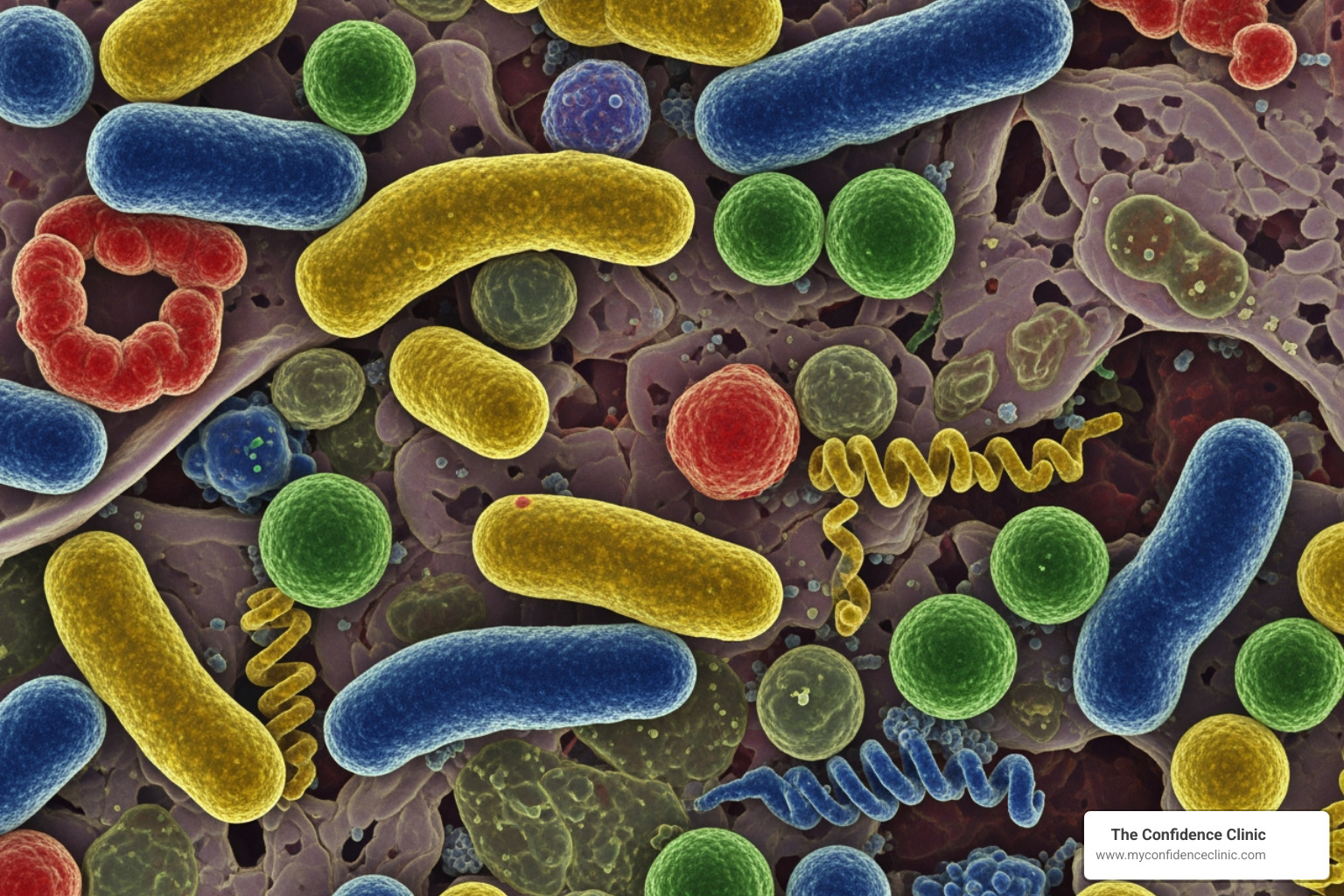
Their key roles include:
- Digestion: Breaking down complex carbohydrates our bodies can’t.
- Metabolite Production: Creating beneficial compounds like short-chain fatty acids (SCFAs).
- Vitamin Synthesis: Producing essential vitamins like B vitamins and vitamin K.
- Immune Regulation: Training our immune system to function properly.
A healthy, diverse microbiota is crucial for physical and mental health. When this balance is disrupted—a state called dysbiosis—it can have significant consequences for our mood and well-being, making the microbiome a central focus of the gut brain axis.
Understanding the Role of the Gut Microbiome in the Gut-Brain Axis
Gut microbes act like a biochemical factory, producing compounds that influence brain function. They communicate with the brain through several key mechanisms:
- Microbial Metabolites: When bacteria ferment dietary fiber, they produce short-chain fatty acids (SCFAs). These molecules can cross the blood-brain barrier, influencing brain function, memory, and behavior.
- Neurotransmitter Production: Gut bacteria can synthesize a range of neuroactive molecules, including GABA, dopamine, and the vast majority of our body’s serotonin. These chemicals can affect neural signaling along the gut brain axis, influencing mood and anxiety.
- Gut Barrier Integrity: A healthy microbiome strengthens the intestinal lining, preventing a “leaky gut.” When this barrier is compromised, bacterial toxins like lipopolysaccharide (LPS) can enter the bloodstream, triggering systemic inflammation that can reach the brain and contribute to mood disorders.
Research using germ-free animals shows that a healthy microbiome is fundamental for the normal development of the nervous system and a balanced stress response.
How Gut Bacteria Influence Mood and Mental Health
Growing evidence suggests our gut bacteria are active participants in our mental health. This connection is a key factor in understanding conditions like anxiety and depression.
Studies on germ-free animals (raised without any gut microbes) show they have altered stress responses and brain chemistry, highlighting the microbiome’s role in regulating mood. In humans, there is a well-documented overlap between functional gastrointestinal disorders like Irritable Bowel Syndrome (IBS) and mental health issues like anxiety and depression. This points to a shared underlying mechanism involving the gut brain axis.
The microbiome’s role in neurological disorders like autism spectrum disorders (ASD) and Parkinson’s disease is also an active area of investigation. This understanding opens doors for new treatments. Research into probiotics and mood suggests that introducing beneficial bacteria can positively impact mental well-being, with some clinical trials showing improvements in depressive and anxiety symptoms. At Center for Confidence, we are excited about the potential to modulate mental health through the gut.
The Impact of Stress and Emotions on Your Gut-Brain Axis
We’ve all felt the knot in our stomach before a big presentation or the sudden urge to run to the bathroom when nervous. These are direct manifestations of how stress and emotions profoundly impact our gut brain axis. Our gut is highly sensitive to our emotional state, and chronic stress can throw this system into disarray.
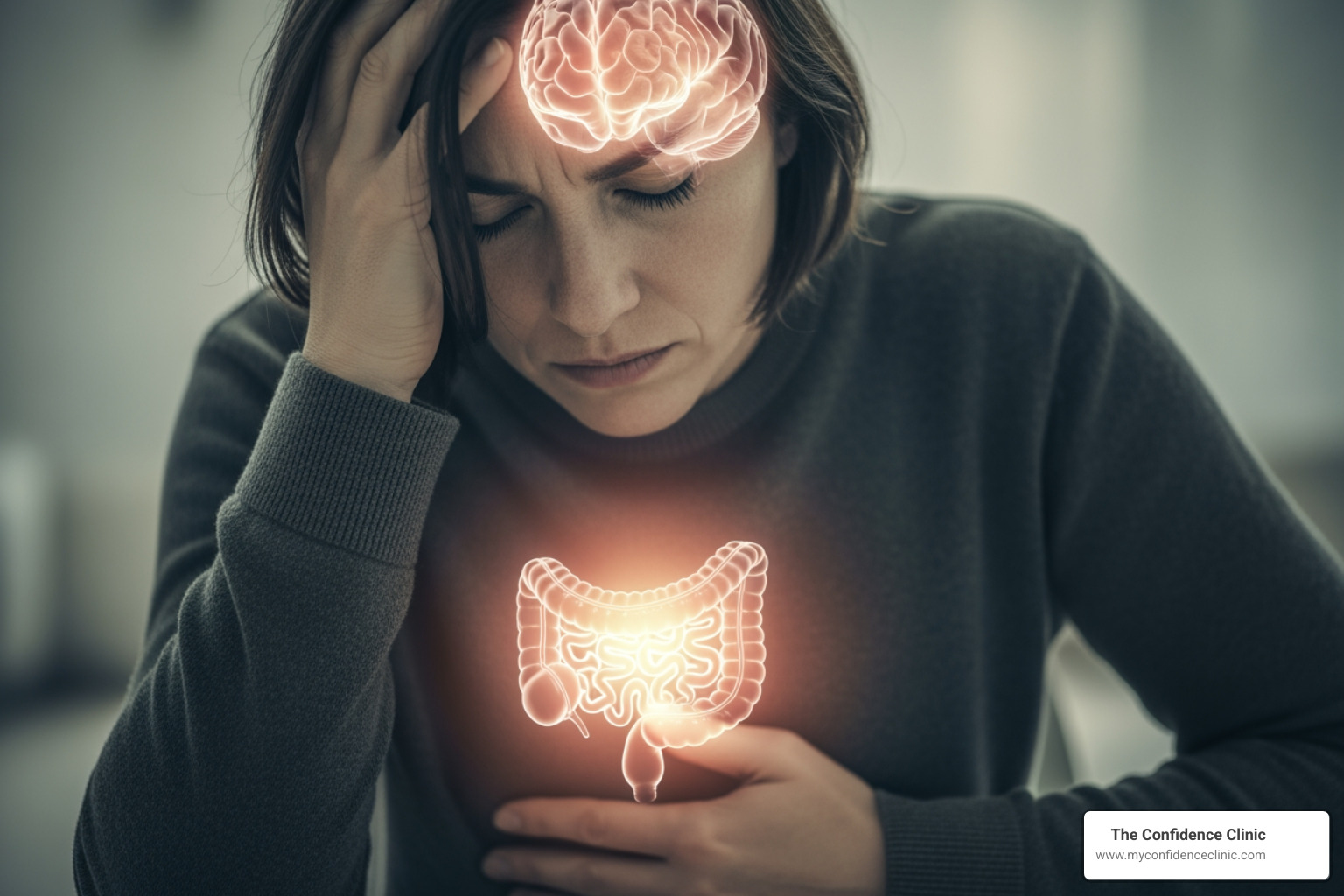
When we’re stressed, our brain activates the HPA axis, releasing cortisol for a “fight or flight” response. Chronic activation of this system has significant consequences for the gut, including:
- Increased Gut Permeability (“Leaky Gut”): Stress can weaken the intestinal lining, allowing toxins and bacterial components to enter the bloodstream. This triggers systemic inflammation that can feed back to the brain, worsening mood and stress.
- Altered Gut Motility: Brain signals can speed up or slow down digestion, leading to diarrhea or constipation.
This creates a feedback loop: stress harms the gut, and a compromised gut amplifies the stress response and negatively affects mood.
How Stress Disrupts the Gut-Brain Axis
The relationship between stress and the gut is a vicious cycle. Stress signals from the brain alter the gut environment, which in turn sends distress signals back to the brain.
Stress can induce changes in gut microbiota composition, leading to a reduction in beneficial bacteria and an increase in potentially harmful ones. This dysbiosis, combined with a leaky gut, leads to increased inflammation. Pro-inflammatory signals can travel to the brain, contributing to mood disorders like depression and anxiety. The result is a debilitating cycle where stress causes gut symptoms, and gut symptoms amplify stress and anxiety, often contributing to conditions like Irritable Bowel Syndrome (IBS).
The Gut-Brain Axis and Digestive Wellness
When the gut brain axis is out of balance, it often manifests as digestive issues.
- Visceral Hypersensitivity: The nerves in the gut become overly sensitive, amplifying pain from normal processes like gas. This is a major factor in IBS.
- Altered Gut Motility: The brain’s signals, influenced by stress and the microbiome, can disrupt the speed of digestion, causing diarrhea or constipation.
There is a high comorbidity of digestive issues with anxiety and depression. Irritation in the GI system can send signals to the brain that trigger mood changes, while anxiety can exacerbate gut symptoms. At Center for Confidence, we recognize that issues like IBS, constipation, and diarrhea often reflect a deeper imbalance in the gut brain axis. Our approach provides professional support for digestive concerns that considers the whole person.
Nurturing Your Connection: Therapies and Lifestyle Changes
Understanding the gut brain axis is the first step toward reclaiming your health. This bidirectional communication offers numerous opportunities for intervention, allowing us to influence both gut and brain through holistic strategies. Our approach at Center for Confidence emphasizes the powerful mind-body connection, focusing on diet, lifestyle, and targeted therapies to restore balance.
Probiotics, Prebiotics, and Diet
One of the most direct ways to influence the gut brain axis is through nutrition.
- Probiotics: These are “good bacteria” that can help restore balance to the gut microbiota. Research suggests certain strains can reduce anxiety and improve mood.
- Prebiotics: These are fibers that act as food for beneficial gut bacteria, helping them thrive.
- Fermented Foods: Foods like yogurt, kefir, sauerkraut, and kimchi are natural sources of beneficial bacteria.
- Anti-inflammatory Diet: A diet rich in whole foods, fruits, vegetables, and healthy fats reduces systemic inflammation, a known disruptor of the gut brain axis.
Consider incorporating these gut-friendly foods:
- Fermented foods: Yogurt, kefir, kimchi, sauerkraut
- High-fiber fruits and vegetables: Berries, apples, asparagus, leafy greens
- Whole grains: Oats, quinoa, brown rice
- Legumes: Lentils, beans, chickpeas
- Healthy fats: Avocado, olive oil, nuts, seeds
Mind-Body Therapies for a Healthier Gut
Because the connection is a two-way street, therapies targeting the mind can have profound effects on the gut.
- Cognitive Behavioral Therapy (CBT): Can be effective in managing symptoms of functional bowel disorders like IBS by improving brain-gut communication.
- Meditation and Yoga: These practices reduce stress and calm the nervous system, which can improve gut motility and reduce inflammation.
- Hypnotherapy: Has shown promise in treating IBS by helping individuals reduce visceral hypersensitivity.
- Stress Management: Simple practices like deep breathing, adequate sleep, and hobbies can significantly reduce the negative effects of stress on the gut.
The Future of Gut-Brain Research
The field of the gut brain axis is rapidly evolving. One promising frontier is psychobiotics—probiotics studied for their potential to impact psychiatric conditions. Future interventions may include more personalized approaches like microbiome-based therapies and personalized nutrition guided by analysis of an individual’s unique gut microbiome. Advancements in diagnostic tools will also pave the way for earlier detection and more effective treatments.
The ongoing research into the gut brain axis promises to revolutionize our treatment of many conditions, from mood and neurological disorders (like those Dr. Atsushi Kamiya studies at Johns Hopkins Medicine) to chronic diseases. At Center for Confidence, we are committed to integrating the latest science into our holistic approach to patient care in Clearwater and Tampa, FL.
Filter Gut-Brain Axis Articles by Category
The journey through the gut brain axis reveals a powerful truth: our gut is a key partner in shaping our mood, mental clarity, and overall health. From the “second brain” in our gut to the trillions of microbes living there, this intricate network has a profound influence on our well-being.
When this delicate balance is disturbed by stress or poor diet, it can contribute to everything from IBS to anxiety and depression. At Center for Confidence, we believe in a holistic, root-cause approach. Our functional medicine specialists in Clearwater and Tampa, FL, are dedicated to uncovering these imbalances and creating personalized plans to nurture your gut, calm your mind, and restore vitality. We’ve seen how optimizing the gut brain axis leads to profound improvements, helping our patients confidently steer their health.
Learn more about our approach to holistic wellness


